Introduction To Classroom 30x
Education is evolving faster than ever before. Traditional classroom models—often designed decades ago—are struggling to keep pace with digital transformation, diverse learning needs, and the demand for real-world skills. This is where Classroom 30x emerges as a powerful, future-ready solution.
Classroom 30x is not just a classroom size or a buzzword—it represents a next-generation learning environment designed to deliver 30 times more engagement, efficiency, and educational impact than conventional classrooms. By blending smart technology, flexible design, data-driven teaching methods, and learner-centric pedagogy, Classroom-30x redefines how students learn and how educators teach.
In this comprehensive guide, we’ll explore:
- The meaning and concept behind Classroom-30x
- Its core components and benefits
- How it improves student outcomes
- Real-world implementation strategies
- Challenges, best practices, and future trends
Whether you’re an educator, school administrator, edtech entrepreneur, or policymaker, this article will help you understand why Classroom 30x is becoming a cornerstone of modern education.
Understanding the Classroom 30x Concept
What Does “Classroom 30x” Mean?
The term Classroom 30x symbolizes exponential improvement in teaching and learning effectiveness. While interpretations may vary, most education experts agree that Classroom 30x refers to:
- A high-performance learning environment
- Optimized for approximately 30 students
- Enhanced by technology, flexibility, and data
- Focused on active, personalized, and collaborative learning
Rather than relying solely on lectures and rote memorization, Classroom 30x emphasizes interaction, creativity, and measurable outcomes.
Why Traditional Classrooms Are No Longer Enough
Conventional classrooms often face limitations such as:
- One-size-fits-all teaching methods
- Passive student engagement
- Limited feedback and assessment tools
- Poor integration of digital resources
In contrast, Classroom 30x addresses these gaps by redesigning both the physical space and the instructional approach.
Core Pillars of Classroom 30x
1. Student-Centered Learning Design
At the heart of Classroom 30x is a learner-first philosophy. Students are not passive listeners—they are active participants.
Key elements include:
- Personalized learning pathways
- Project-based and inquiry-based learning
- Peer collaboration and discussion
- Real-world problem solving
This approach aligns with modern educational research showing that active learning can improve student performance by up to 20–30% compared to lecture-based instruction.
2. Smart Classroom Technology Integration
Technology is a foundational component of Classroom 30x—but it’s used intentionally, not excessively.
Common tools include:
- Interactive smart boards
- Learning Management Systems (LMS)
- AI-powered assessment tools
- Cloud-based collaboration platforms
- Student response systems
When used correctly, these tools:
- Improve engagement
- Provide instant feedback
- Support differentiated instruction
Actionable Insight: Schools implementing smart classroom tools report higher attendance rates and improved test scores within one academic year.
3. Flexible Physical Layout and Ergonomic Design
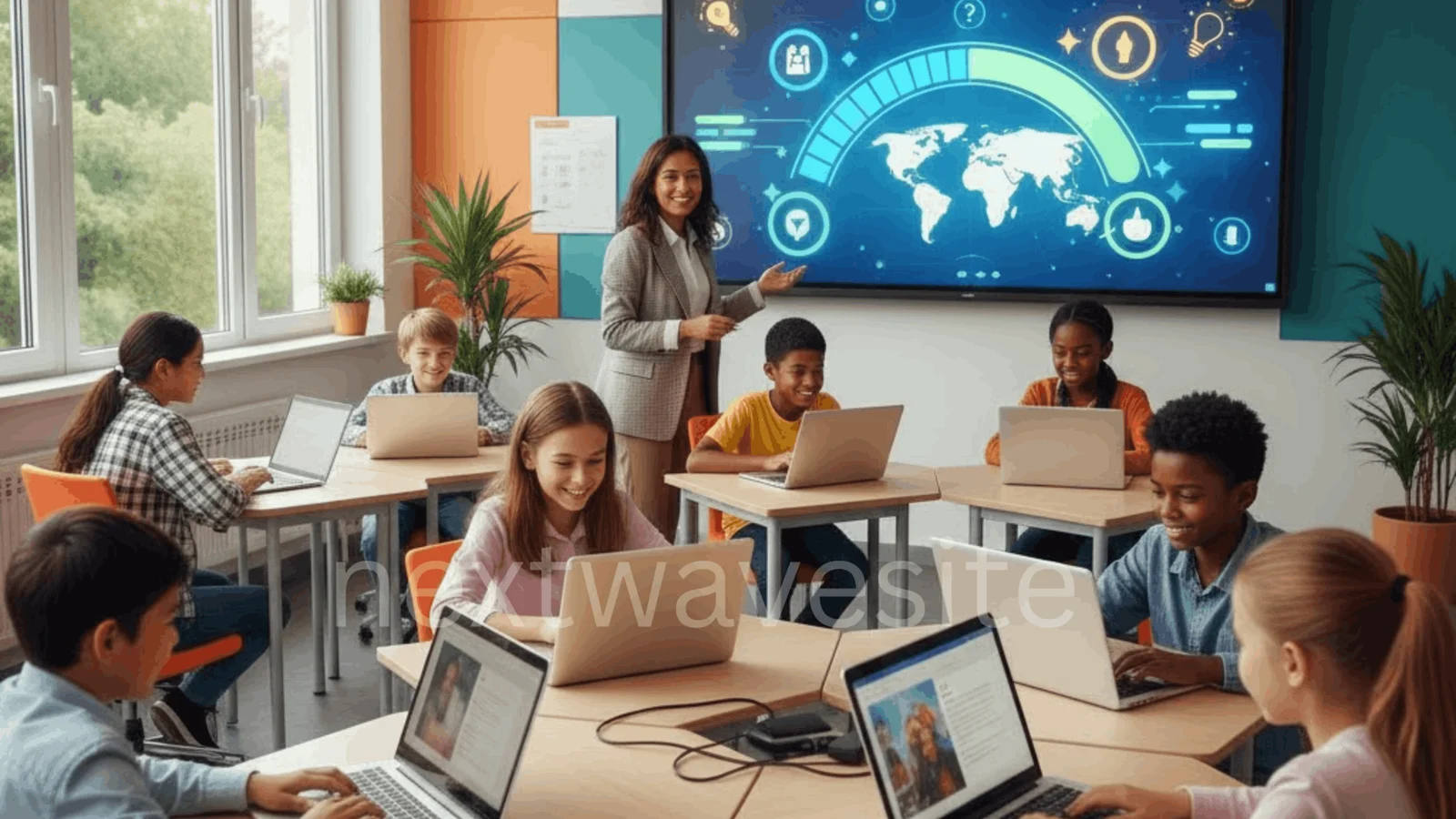
Unlike rigid rows of desks, Classroom 30x features adaptive learning spaces.
Design principles include:
- Modular furniture
- Movable seating clusters
- Dedicated collaboration zones
- Teacher mobility
This flexibility allows educators to switch seamlessly between:
- Group work
- Individual study
- Presentations
- Hands-on activities
4. Data-Driven Teaching and Continuous Assessment
Classroom 30x leverages real-time data to improve instruction.
Examples:
- Learning analytics dashboards
- Formative assessments
- AI-assisted progress tracking
Teachers can:
- Identify struggling students early
- Adjust lesson pacing
- Personalize feedback
This creates a continuous improvement loop for both students and educators.
Benefits of Classroom 30x for Students
Enhanced Engagement and Motivation
Students in a Classroom 30x environment are more engaged due to:
- Interactive lessons
- Collaborative activities
- Technology-supported learning
Research shows that engaged students are more likely to retain information and develop critical thinking skills.
Personalized Learning at Scale
With Classroom 30x, personalization is no longer limited to small groups.
Benefits include:
- Adaptive content delivery
- Individual learning goals
- Customized feedback
This ensures that no student is left behind, even in larger classrooms.
Development of Future-Ready Skills
Beyond academics, Classroom 30x fosters:
- Communication skills
- Digital literacy
- Collaboration
- Problem-solving
These competencies are essential for success in higher education and modern workplaces.
Benefits of Classroom 30x for Teachers

Improved Teaching Efficiency
Teachers benefit from:
- Automated grading tools
- Centralized lesson planning
- Real-time performance insights
This reduces administrative workload and allows more time for meaningful student interaction.
Greater Instructional Flexibility
Educators can:
- Experiment with teaching methods
- Blend online and offline instruction
- Adjust lessons dynamically
This empowers teachers to become facilitators of learning, not just content deliverers.
Classroom 30x in Different Educational Settings
K-12 Schools
In primary and secondary education, Classroom 30x supports:
- Differentiated instruction
- Inclusive education
- Early skill development
It is especially effective for mixed-ability classrooms.
Higher Education and Universities
Universities use Classroom 30x to:
- Support blended learning models
- Enhance large lecture courses
- Improve student retention rates
Flipped classrooms and hybrid courses thrive in this environment.
Corporate Training and Professional Learning
Classroom 30x principles are also applied in:
- Employee training programs
- Leadership development
- Skill upskilling workshops
This shows the model’s versatility beyond traditional schools.
Implementation Strategy How to Build a Classroom-30x
Step 1: Assess Institutional Goals
Before implementation, institutions should identify:
- Learning objectives
- Student demographics
- Budget constraints
Step 2: Invest in Scalable Technology
Start with:
- Reliable internet connectivity
- Core digital tools
- Teacher training programs
Step 3: Train Educators and Staff
Professional development is critical. Teachers must learn:
- Digital pedagogy
- Classroom management in tech-rich environments
- Data interpretation
Step 4: Measure, Optimize, and Scale
Use metrics such as:
- Student engagement levels
- Academic performance
- Feedback surveys
Continuous optimization ensures long-term success.
Challenges and How to Overcome Them
Budget Constraints
Solution: Start small, prioritize essential tools, and scale gradually.
Teacher Resistance to Change
Solution: Provide training, mentorship, and success stories.
Technology Gaps
Solution: Choose user-friendly platforms and ensure technical support.
Future Trends Shaping Classroom 30x
Looking ahead, Classroom-30x will evolve with:
- Artificial Intelligence tutors
- Virtual and Augmented Reality learning
- Predictive learning analytics
- Gamified education models
These advancements will further enhance personalization and accessibility.
Internal Linking Suggestions
For better SEO and user experience, consider linking to:
- “Smart Classroom Technology Explained”
- “Benefits of Student-Centered Learning”
- “Blended Learning Models in Education”
External Authoritative References
- UNESCO – Digital Learning and Education
- OECD – Innovative Learning Environments
- EdTech Review – Smart Classroom Research
(Use these as outbound links to boost topical authority.)
Conclusion Why Classroom 30x Is the Future of Education
Classroom 30x represents a transformative shift in how education is delivered and experienced. By combining technology, pedagogy, and human-centered design, it creates an environment where students thrive and teachers excel.
As education systems worldwide adapt to new challenges, Classroom-30x stands out as a scalable, effective, and future-proof model—one that prioritizes learning outcomes, equity, and innovation.
Frequently Asked Questions (FAQs)
What is Classroom-30x in simple terms?
Classroom 30x is a modern classroom model designed to maximize engagement, personalization, and learning outcomes using smart technology and flexible teaching methods.
Is Classroom-30x expensive to implement?
Not necessarily. Schools can start small and scale gradually based on budget and needs.
Who can benefit from Classroom-30x?
Students, teachers, schools, universities, and even corporate training programs can benefit.
Is Classroom-30x suitable for online learning?
Yes. It supports hybrid and blended learning environments seamlessly.
You May Also Read: Bill Belichick girlfriend