Introduction To Paul George Trade
The Paul George trade has once again become one of the most talked-about topics in the NBA, sending shockwaves through fans, front offices, and analysts alike. Whenever a perennial All-Star, elite two-way wing, and proven playoff performer like Paul George becomes involved in trade discussions, the implications extend far beyond one franchise.
Paul George trade—covering the background, motivations, trade mechanics, salary cap impact, team strategies, and what it means for the NBA moving forward. Whether you’re an NBA fan, fantasy basketball manager, or someone tracking league trends, this comprehensive guide explains why the Paul George trade is a defining moment in today’s NBA.
Who Is Paul George? A Quick Career Overview
Before analyzing the Paul George trade, it’s essential to understand the player at the center of it.
Paul George’s NBA Resume
Paul George is widely regarded as one of the NBA’s most complete wings:
- Multiple-time NBA All-Star
- NBA All-Defensive Team selections
- Most Improved Player (2013)
- Elite scorer, defender, and playmaker
- Proven postseason performer
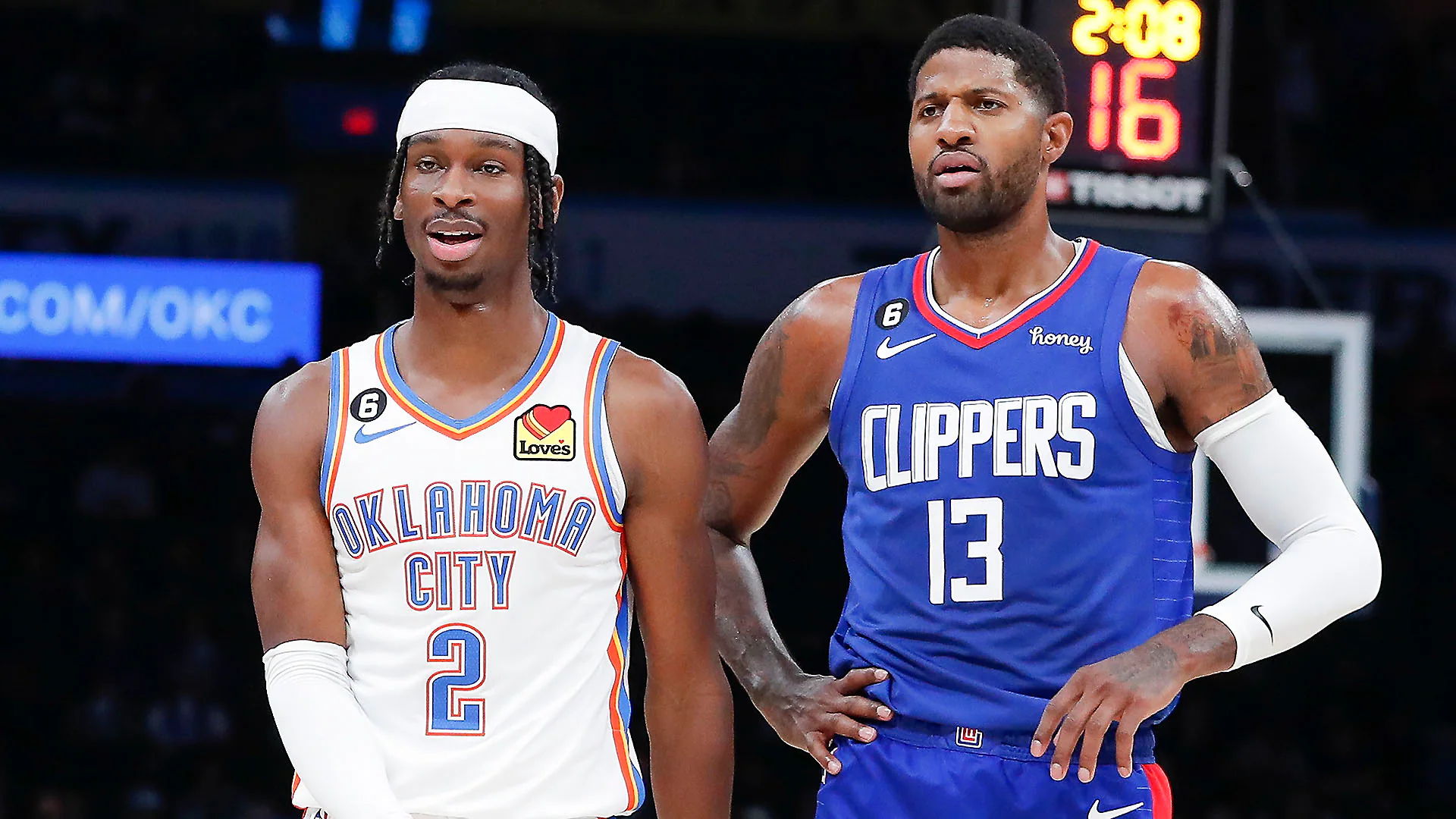
From his early breakout years with the Indiana Pacers to his star role with the Oklahoma City Thunder and Los Angeles Clippers, George has consistently been a franchise-level talent.
Why Paul George Is So Valuable in Trades
Paul George’s value in trade talks comes from:
- Positional versatility (SG/SF)
- Two-way impact
- Playoff experience
- Ability to fit alongside other stars
- High basketball IQ
Few players can change a team’s championship odds overnight—Paul George is one of them.
Background of the Paul George Trade Rumors
Trade rumors involving Paul George didn’t emerge overnight. They were fueled by a mix of contract considerations, team performance, and long-term planning.
Contract and Salary Cap Factors
Paul George’s contract situation has always played a key role in trade speculation:
- Max-level salary impacts roster flexibility
- Luxury tax concerns
- Long-term commitment vs. future flexibility
NBA front offices closely analyze whether retaining a star aligns with championship timelines or whether trading them offers better long-term value.
Team Performance and Playoff Pressure
When teams fall short of expectations, pressure mounts:
- Early playoff exits
- Injuries to key players
- Limited draft capital
- Aging rosters
In such scenarios, a Paul George trade becomes a strategic pivot rather than a reactionary move.
Breaking Down the Paul George Trade Details
While trade structures can vary, most Paul George trade discussions share common components.
Typical Trade Assets Involved
A realistic Paul George trade often includes:
- Multiple first-round draft picks
- Young prospects with upside
- Salary-matching contracts
- Potential pick swaps
This reflects Paul George’s elite status and the premium teams must pay to acquire a star of his caliber.
Salary Matching Rules Explained
Under NBA collective bargaining rules:
- Teams over the cap must match salaries within a specific percentage
- Multi-team trades are often required
- Expiring contracts become valuable trade tools
Understanding these mechanics explains why Paul George trades are often complex and headline-worthy.
Why Teams Pursue a Paul George Trade
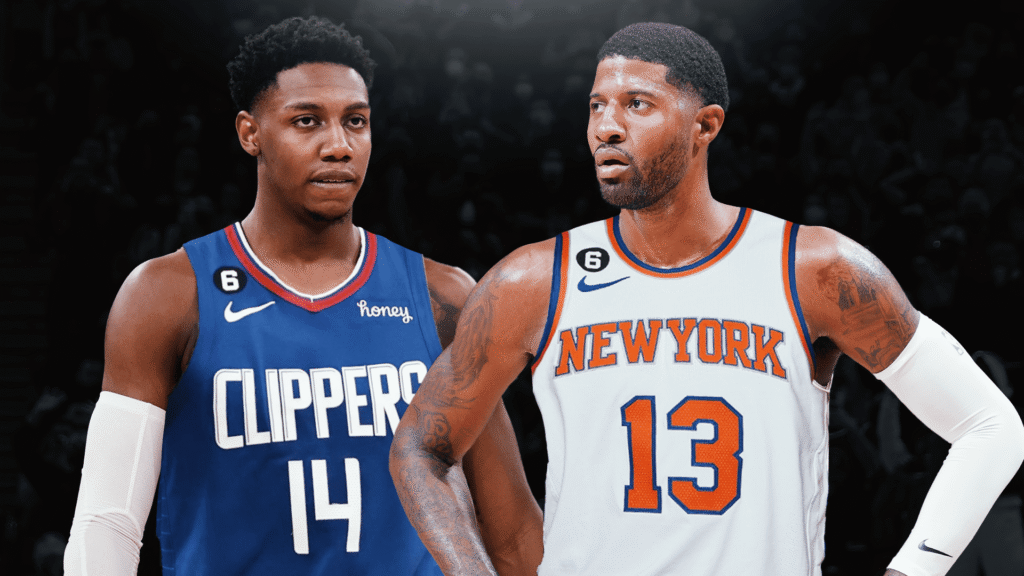
Not every star fits every system—but Paul George Trade checks nearly every box.
Championship Window Acceleration
For contenders, a Paul George trade can:
- Instantly elevate playoff potential
- Reduce scoring pressure on other stars
- Improve perimeter defense
- Increase lineup flexibility
Teams in “win-now” mode view George as a missing piece rather than a luxury.
Marketability and Fan Engagement
Beyond on-court impact:
- Star players boost ticket sales
- Increase merchandise revenue
- Enhance national TV exposure
From a business perspective, acquiring Paul George can be transformative.
How the Paul George Trade Impacts the NBA Landscape
The ripple effects of a Paul George trade extend league-wide.
Power Shifts Between Conferences
A single blockbuster trade can:
- Tilt championship odds
- Strengthen or weaken a conference
- Force rival teams to respond aggressively
NBA history shows that star trades often trigger chain reactions.
Impact on Future Star Trades
When a player like Paul George is moved, it resets the market:
- Raises trade prices for other stars
- Influences contract negotiations
- Encourages teams to either rebuild or double down
Winners and Losers of a Paul George Trade
Every major NBA trade produces clear winners—and tough lessons.
Potential Winners
- Acquiring team: Immediate championship contention
- Young players received: Expanded roles and development
- Fans: Renewed excitement and optimism
Potential Losers
- Teams giving up draft capital
- Short-term depth losses
- Risk if injuries occur
No trade is without risk, even one involving a superstar.
Statistical Impact of Paul George on a New Team
Offensive Contributions
Paul George typically provides:
- 20+ points per game
- Efficient three-point shooting
- Secondary playmaking
- Clutch scoring
His offensive versatility allows coaches to design multiple schemes around him.
Defensive Value
Often overlooked, George’s defense includes:
- Elite perimeter coverage
- High steal rates
- Switchability across positions
- Strong team defense IQ
This two-way reliability makes him invaluable in playoff settings.
Fantasy Basketball and Betting Implications
The Paul George trade doesn’t just affect teams—it impacts fantasy leagues and sportsbooks.
Fantasy Basketball Outlook
Depending on usage and system:
- Scoring may increase or stabilize
- Defensive stats remain strong
- Assists vary by role
Fantasy managers must reassess draft value and trade strategy.
NBA Betting Odds
Sportsbooks adjust rapidly:
- Championship futures shift
- Player prop lines change
- Win totals get recalculated
A Paul George trade often causes immediate betting market movement.
Historical Context Paul George Trade Comparisons
Looking back provides valuable insight.
Previous Paul George Trades
His move from Indiana to Oklahoma City, and later to Los Angeles, demonstrated:
- The high cost of elite wings
- The value of draft capital
- How timing affects franchise direction
These past trades help predict future outcomes.
Internal Linking Opportunities (SEO Best Practice)
To strengthen topical authority, consider linking this article internally to:
- “NBA Trade Deadline Analysis”
- “How NBA Salary Cap Rules Work”
- “Top NBA Blockbuster Trades of the Decade”
- “Championship Team-Building Strategies”
These links improve crawl depth and user engagement.
External Authoritative References
For credibility and E-E-A-T compliance, reference trusted sources such as:
- NBA.com (official stats and news)
- ESPN (trade analysis)
- Basketball Reference (historical data)
- The Athletic (in-depth reporting)
Outbound links to authoritative domains enhance trustworthiness.
Frequently Asked Questions (FAQs)
Why is the Paul George trade such a big deal?
Because Paul George is a rare two-way star who can immediately elevate a team’s championship chances.
What do teams usually give up in a Paul George trade?
Typically multiple first-round picks, young prospects, and salary-matching contracts.
Does a Paul George trade guarantee a championship?
No—but it significantly improves a team’s odds if paired with the right roster and health.
How does the Paul George trade affect rebuilding teams?
It often accelerates rebuilds by delivering draft capital and young talent.
Conclusion Final Thoughts on the Paul George Trade
The Paul George trade is far more than a headline—it’s a strategic turning point that reshapes franchises, alters championship races, and influences the NBA’s competitive balance. Whether viewed through the lens of analytics, salary cap strategy, or fan excitement, trades involving Paul George consistently redefine expectations.
As the NBA continues evolving toward star-driven parity, the Paul George trade stands as a powerful reminder of how one elite player can change everything.
You May Also Read: Willow Katherine White