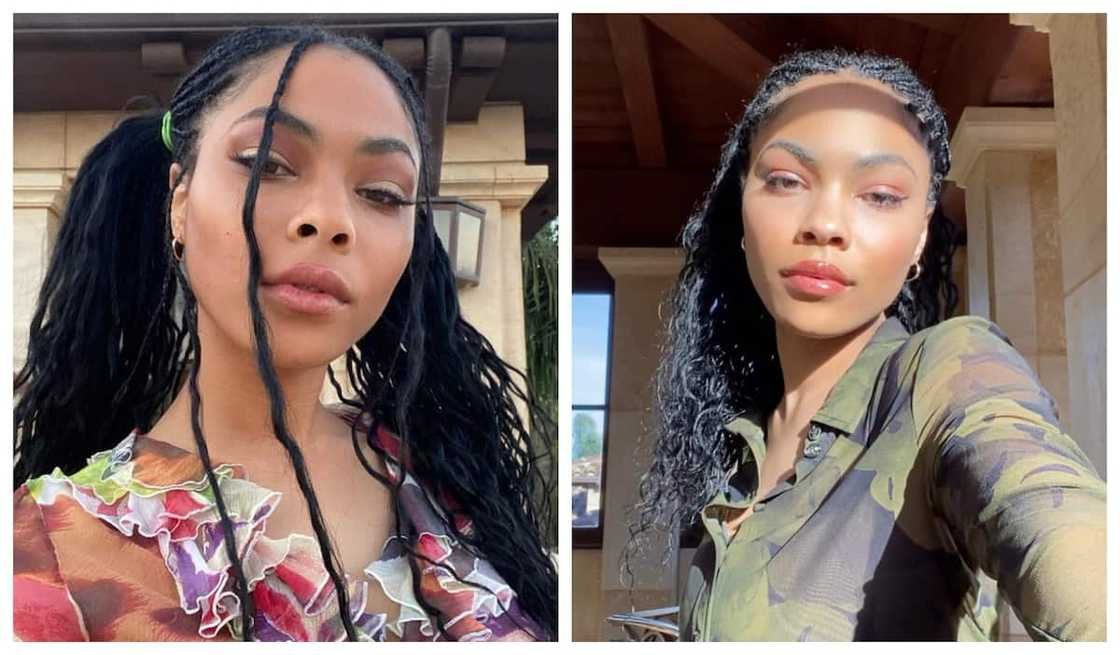
Introduction To Kellie Chauvin
Kellie Chauvin is a public figure widely recognized due to her connection with former Minneapolis police officer Derek Chauvin, whose involvement in the death of George Floyd in 2020 led to worldwide protests and global attention. While her name became globally known because of the case, Kellie Chauvin has her own personal story, career achievements, and life experiences that existed long before the events that made headlines. This article explores her background, professional life, and what is publicly known about her journey afterward.
Early Life and Background
Kellie May Chauvin—born Kellie May Thao or Kellie May Xiong, depending on the chapter of her life—was brought into the world on October 21, 1974, in Laos, a landlocked Southeast Asian nation scarred by the Laotian Civil War (1959–1975). Her family, part of the Hmong ethnic group, were allies to the United States during the Vietnam War era, serving in covert operations against communist forces. When the war ended in chaos, the Thao family faced persecution, forcing them to flee when Kellie was just three years old.
Kellie May Thao (later Kellie Chauvin) was born in Laos in 1974. Her family lived in a refugee camp before immigrating to the United States as part of the wave of Hmong refugees resettling after the Vietnam War. Growing up in a new country brought significant challenges, including cultural adjustment and financial hardship. These early struggles shaped her determination and resilience.
Education and Personal Growth
After settling in the U.S., Kellie focused on building a stable future. She attended school in Wisconsin and later pursued higher education in fields related to healthcare. With dedication and perseverance, she eventually entered the medical field, marking the beginning of a long-term career path.
By her late teens, cultural pressures within the Hmong community added another layer of complexity. Arranged marriages were common, and at 17, Kellie wed Kujay Xiong in 1991, a union arranged by her parents to honor tradition. She gave birth to two children—a son and a daughter—while still navigating young adulthood. The marriage, however, deteriorated amid allegations of domestic abuse. After a decade, Kellie divorced in the early 2000s, emerging as a single mother determined to rewrite her narrative. “I promised myself I’d never be trapped again,” she said. With her children in tow, she relocated to Minnesota, seeking opportunity in the Twin Cities’ diverse immigrant hubs.
Career in the Medical and Wellness Field
Before gaining national attention, Kellie Chauvin worked as a radiology technician. Her passion for helping others also led her into other professional roles within the healthcare system. Over the years, she became known for her sense of empathy and professionalism. Her involvement in community support programs and charity work further strengthened her reputation as a caring and committed individual.
Her breakthrough came at Hennepin County Medical Center (HCMC) in Minneapolis, a bustling Level I trauma center. Starting as an intern in the emergency room in the mid-2000s, Kellie quickly proved indispensable. For 13 years, she worked as a radiologic technologist, capturing X-rays and CT scans amid chaos: gunshot wounds, car crashes, overdoses. Colleagues praised her calm under pressure; patients appreciated her gentle demeanor, especially non-English speakers whom she assisted in Hmong or basic Laotian. “Kellie was the one who made the ER feel human,” a former coworker told the Pioneer Press.
Public Recognition
Kellie Chauvin received public recognition before 2020 as well. In 2018, she made headlines after winning the title of “Mrs. Minnesota America.” This achievement came after years of personal growth, charity work, and community involvement. The pageant highlighted her advocacy for Hmong women facing domestic abuse and other social challenges. As a survivor herself, Kellie used her platform to encourage strength, independence, and healing among women from similar backgrounds.
Marriage to Derek Chauvin
Kellie met Derek Chauvin while working in a hospital setting. Their relationship eventually led to marriage in 2010. Although Derek Chauvin served as a Minneapolis police officer, Kellie maintained a largely private personal life. She seldom appeared in the media and preferred focusing on her work, community contributions, and personal well-being.
Kellie met Derek Michael Chauvin in 2009 at HCMC, a serendipitous collision of worlds. The 45-year-old officer, bringing a suspect for a pre-arrest medical check, caught her eye with his quiet professionalism. “He was gentle, a softie under the uniform,” she later described. They bonded over shared values—family, faith, stability—and married on June 10, 2010, in a small ceremony. No children together, but Derek embraced Kellie’s adult son and daughter as his own, forming a blended family in their Oakdale, Minnesota home (and a vacation townhouse in Florida).
Impact of the George Floyd Case
In 2020, Kellie Chauvin’s life changed drastically as Derek Chauvin’s involvement in the death of George Floyd drew global attention. The case sparked massive protests and deep conversations about policing, justice, and racial inequality worldwide.
Following the incident, Kellie filed for divorce shortly after Derek Chauvin was charged. Her legal decisions and actions reflected her desire to separate her life from the turmoil surrounding the case. She largely withdrew from public view, prioritizing privacy and personal safety.
Life After the Case
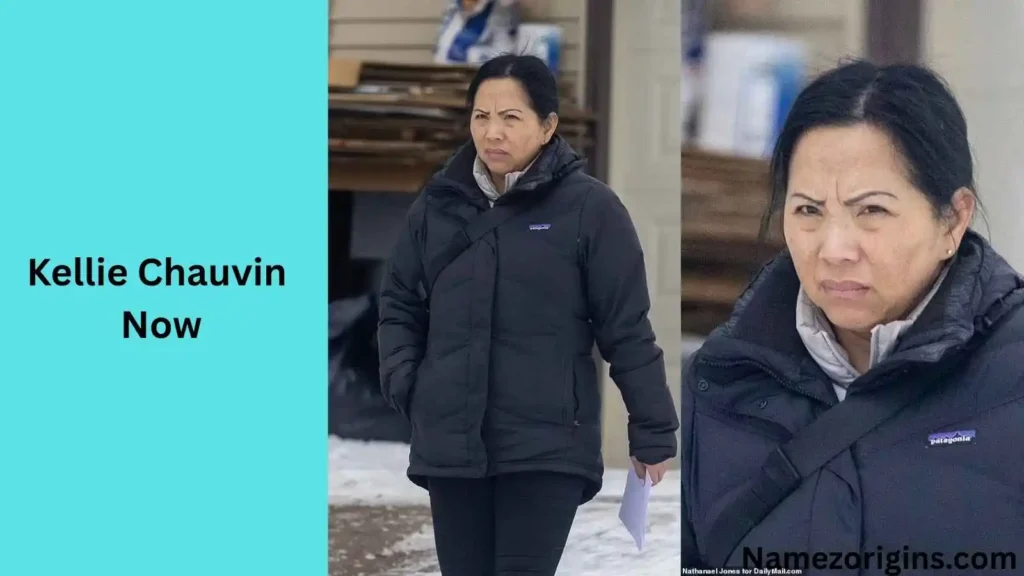
Since the high-profile events of 2020, Kellie Chauvin has kept her life private. Public information about her recent activities is limited, as she avoids media exposure. Her focus appears to be rebuilding her life, maintaining personal stability, and moving forward away from the public spotlight.
Her journey remains one of resilience, cultural identity, and personal transformation—shaped both by her early struggles and the intense scrutiny she faced due to circumstances beyond her control.
Conclusion
Kellie Chauvin’s name is often associated with one of the most widely covered legal cases in modern history, but her story goes far beyond that. From her refugee childhood to her career in healthcare and her advocacy for women, Kellie Chauvin has lived a life marked by perseverance and personal growth. While she continues to stay private, her experiences continue to interest readers seeking to understand the broader human stories connected to major national events.
At 51, Kellie embodies the Hmong proverb: “Even the bamboo bends, but does not break.” Her life after the case isn’t redemption arc or villain’s tale—it’s human: flawed, fierce, forward. As Derek’s appeals drag into 2025 (including a December 2024 bid for Floyd autopsy retesting), Kellie fades further, a testament to rebuilding in silence. In a world quick to judge, her story whispers endurance.
You May Also Read: Gaming Abithelp