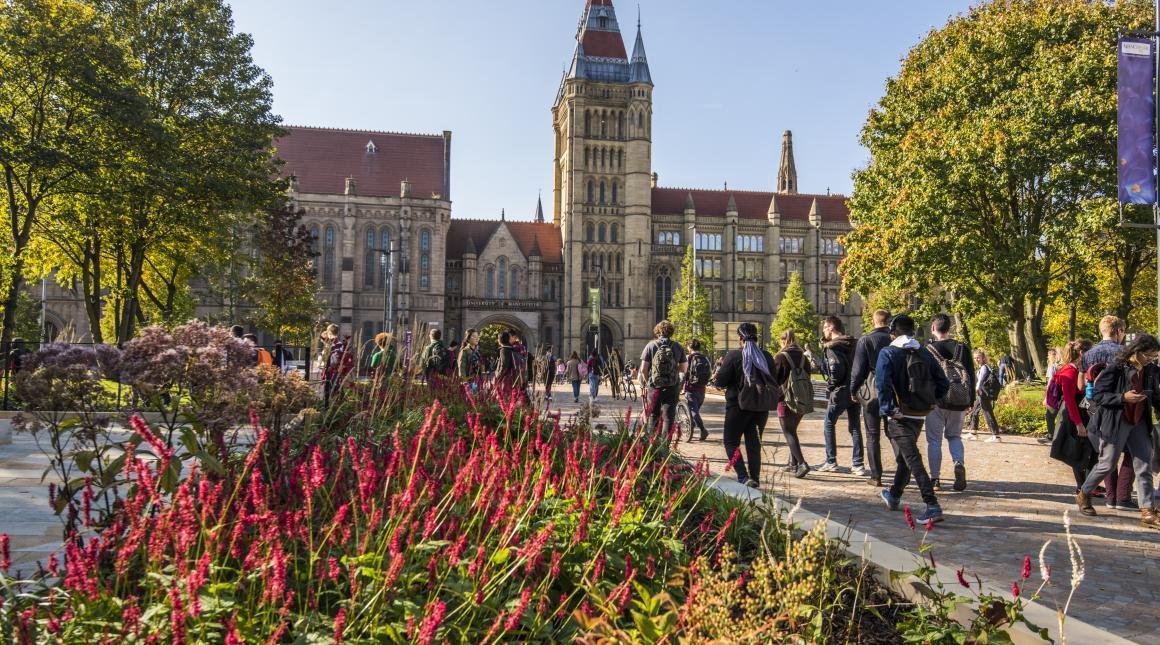
Introduction To Russell Group Universities Overcrowding
The issue of Russell Group universities overcrowding has become one of the most pressing challenges facing higher education in the United Kingdom. Over the past decade, the demand for places at prestigious institutions has surged, while infrastructure, housing, and academic resources have struggled to keep pace. As a result, many students and staff are experiencing the effects of overcrowded lecture halls, limited accommodation, and strained campus services.
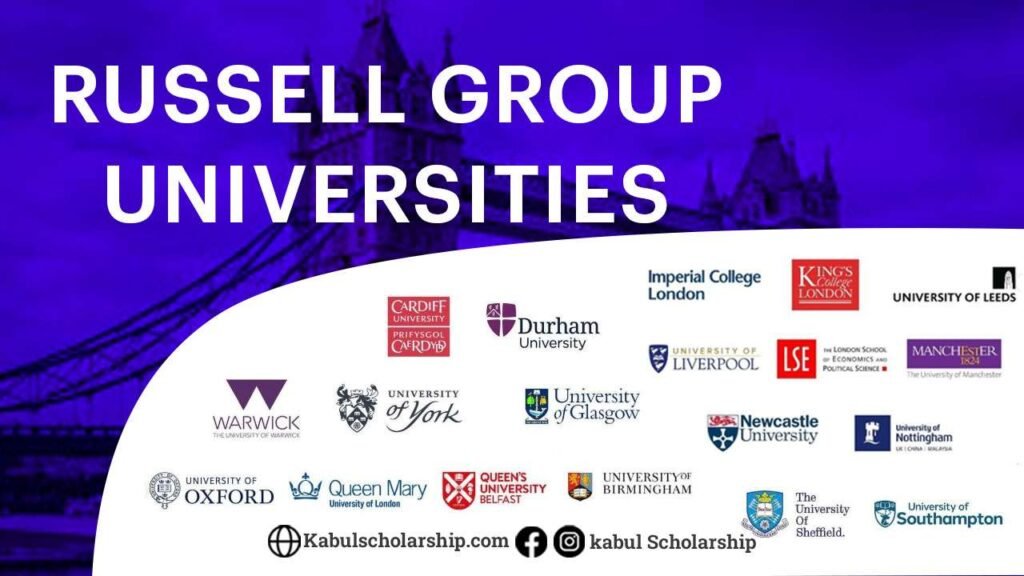
The Russell Group represents 24 of the UK’s leading research universities, widely recognized for their academic excellence, global reputation, and significant contribution to innovation and economic growth. Universities such as University of Oxford, University of Cambridge, Imperial College London, and University of Manchester attract thousands of high-achieving students each year from across the UK and internationally.
However, the rapid growth in student numbers has triggered a major debate about capacity, quality of education, and student well-being. From overcrowded accommodation to stretched teaching resources, the problem of Russell Group universities overcrowding has wide-reaching implications.
Understanding the Russell Group and Its Global Appeal
What Are Russell Group Universities?
The Russell Group Universities Overcrowding is an association of 24 leading UK universities known for world-class research, academic excellence, and strong graduate outcomes. These universities receive a significant share of the UK’s research funding and consistently rank among the top institutions globally.
Examples include:
- University College London
- King’s College London
- University of Edinburgh
- University of Bristol
Because of their reputation and career opportunities, these institutions attract an increasing number of applicants every year.
Rising Demand for Elite Universities
Several factors have increased the demand for Russell Group institutions:
- Higher global recognition
- Strong graduate employment prospects
- High-quality research facilities
- International student recruitment
- Government expansion of higher education access
According to UK admissions data, the application numbers through UCAS have steadily increased over the past decade, particularly for top-tier universities.
This rising demand has contributed significantly to Russell Group universities overcrowding, especially in popular courses such as medicine, business, engineering, and computer science.
Key Causes of Russell Group Universities Overcrowding
Understanding the underlying causes is essential to addressing the issue effectively.
1. Record Student Enrollment Growth
One of the main drivers of Russell Group universities overcrowding is the dramatic increase in student enrollment.
Several trends contribute to this growth:
- More UK students attending university
- Increased international student recruitment
- Removal of student number caps in England
- Expansion of postgraduate programs
For example, institutions like the University of Manchester and University of Leeds have experienced record student populations in recent years.
While this growth boosts university revenue and diversity, it also places significant pressure on infrastructure and teaching capacity.
2. International Student Boom
International students play a vital role in UK higher education. Universities actively recruit globally because international tuition fees help fund research and campus development.
Top destinations include:
- China
- India
- Nigeria
- United States
At universities like University College London and University of Edinburgh, international students make up a significant portion of the student body.
While this diversity enriches the learning environment, it also contributes to crowded lecture theatres, limited housing, and stretched student services.
3. Housing Shortages Near Campuses
Another major component of Russell Group universities overcrowding is the shortage of student accommodation.
Cities hosting major universities—such as Manchester, Bristol, and Edinburgh—have seen rising housing demand far exceeding supply.
Common issues include:
- Long waiting lists for student halls
- High rental prices
- Students forced into long commutes
- Increased pressure on local housing markets
In some cases, universities have had to place students in temporary hotels or private accommodation due to insufficient housing capacity.
4. Limited Campus Expansion
Unlike newer universities with larger modern campuses, many Russell Group Universities Overcrowding institutions are located in historic city centers.
For example:
- University of Oxford operates across historic colleges.
- University of Cambridge is spread throughout the city.
Urban space limitations make it difficult to build new lecture halls, labs, or residences.
Planning restrictions and preservation laws often slow expansion projects, further contributing to Russell Group universities overcrowding.
Effects of Overcrowding on Students
1. Overfilled Lecture Halls
One of the most visible effects of Russell Group Universities Overcrowding is overcrowded classrooms and lecture theatres.
Students report:
- Standing during lectures
- Watching lectures online due to lack of seats
- Limited interaction with lecturers
This environment can reduce the quality of learning and make it harder for students to engage academically.
2. Reduced Access to Academic Support
As student populations grow, faculty resources become stretched.
Common challenges include:
- Larger tutorial groups
- Delayed feedback on assignments
- Reduced one-on-one time with professors
This can negatively affect academic performance, particularly for first-year students adjusting to university life.
3. Rising Cost of Living
Overcrowding contributes to housing shortages, which increases rent prices in university cities.
For example, cities like London and Bristol now have some of the highest student accommodation costs in the UK.
Students may face:
- Expensive private rentals
- Long commuting distances
- Financial stress
These factors can significantly impact the overall university experience.
4. Pressure on Student Services
Universities provide numerous services such as:
- Mental health support
- Career guidance
- Academic advising
However, Russell Group universities overcrowding means longer waiting times for support services, which can affect student well-being.
Mental health demand has increased significantly across the UK student population.
Impact on Universities and Staff
Increased Teaching Workload
Faculty members must manage:
- Larger classes
- More assessments
- Increased administrative tasks
This can reduce time available for research, which is a core mission of Russell Group institutions.
Infrastructure Strain
Universities must manage growing pressure on:
- Libraries
- Laboratories
- Cafeterias
- Transportation systems
Without adequate investment, overcrowding may reduce the overall quality of campus life.
Data and Statistics on Russell Group Overcrowding
Recent studies highlight the scale of the problem:
- UCAS reports record university applications in recent years.
- Some Russell Group universities have student populations exceeding 40,000.
- International student numbers have increased significantly since 2015.
- Demand for accommodation in university cities has risen dramatically.
These trends show that Russell Group universities overcrowding is not a temporary issue but a structural challenge.
How Universities Are Responding
1. Expanding Campus Facilities
Many institutions are investing in large-scale campus expansions.
Examples include:
- New research centers
- Additional lecture theatres
- Modern student residences
The University of Manchester has announced major development plans to support its growing student body.
2. Hybrid Learning Models
The pandemic accelerated the adoption of hybrid and online learning models.
Universities now offer:
- Recorded lectures
- Online tutorials
- Digital learning platforms
This approach helps reduce physical crowding on campuses.
3. Building New Student Housing
Universities are partnering with private developers to build new accommodation.
Purpose-built student housing projects are expanding in cities like:
- Leeds
- Birmingham
- Glasgow
However, development often struggles to keep up with demand.
4. Managing Enrollment More Carefully
Some universities are reconsidering admissions strategies.
Possible measures include:
- Controlled course capacity
- Balanced international recruitment
- Expansion of satellite campuses
These approaches aim to maintain quality while addressing overcrowding.
Potential Long-Term Solutions
Addressing Russell Group universities overcrowding requires collaboration between universities, government, and local communities.
Government Investment
Public funding could support:
- Campus expansion
- Research infrastructure
- Student housing initiatives
Government policy also influences immigration and international student recruitment.
Diversifying Higher Education Choices
Encouraging students to consider high-quality non-Russell Group Universities Overcrowding could help distribute demand more evenly across the UK higher education system.
Many universities offer excellent teaching and strong employment outcomes.
Smart Campus Planning
Future universities may rely more on:
- blended learning
- flexible study spaces
- modular classrooms
Technology can help manage large student populations more efficiently.
Internal Linking Suggestions
For educational blogs or university websites, consider linking to:
- “Best Universities in the UK for International Students”
- “How to Apply to UK Universities Through UCAS”
- “Cost of Living for Students in the UK”
- “Russell Group vs Non-Russell Group Universities”
These internal links improve SEO structure and user navigation.
External Authoritative References
For credibility and research, reference trusted sources such as:
- UCAS – UK university admissions statistics
- Russell Group – official university data
- Office for Students – higher education regulation
- Higher Education Statistics Agency – enrollment data
These sources provide reliable insights into trends affecting Russell Group universities overcrowding.
Conclusion
The challenge of Russell Group universities overcrowding reflects the immense popularity and global reputation of the UK’s top institutions. While increasing enrollment and international demand bring many benefits—including cultural diversity and financial growth—they also create significant pressures on infrastructure, housing, and academic resources.
Students may face crowded lectures, limited accommodation, and rising living costs, while universities struggle to balance growth with quality education.
Addressing this issue will require long-term planning, investment in infrastructure, innovative teaching models, and balanced admissions policies. By working collaboratively, universities and policymakers can ensure that Russell Group Universities Overcrowding institutions continue delivering world-class education without compromising student experience.
Ultimately, the goal should not simply be expanding capacity but preserving the academic excellence and research leadership that make these universities globally respected.
Frequently Asked Questions
What are Russell Group universities?
The Russell Group Universities Overcrowding is an association of 24 leading UK research universities known for academic excellence, research output, and global reputation.
Why are Russell Group universities overcrowded?
The main causes include rising student demand, increasing international enrollment, housing shortages, and limited campus expansion in historic cities.
Does overcrowding affect education quality?
Yes. Overcrowded lecture halls, limited academic support, and housing challenges can impact the overall student experience.
Are universities doing anything to fix overcrowding?
Many institutions are expanding campuses, building new housing, and adopting hybrid learning models to manage growing student populations.
You May Also Read: Costco Business Center