In an era where children are growing up surrounded by screens, parents and educators across the UK are increasingly asking a critical question: how can digital tools genuinely support early learning without replacing traditional teaching methods? One platform frequently entering that debate is Brainzy, a gamified learning environment designed to introduce young children to core academic foundations through interactive play.
What Is Brainzy and Why Is It Gaining Attention?
Brainzy is a kids learning app developed to support early years education through structured, game-based activities. It focuses on foundational subjects such as reading, phonics, maths, and basic problem-solving skills.
Unlike traditional worksheets or passive video-based learning platforms, Brainzy uses interactive storytelling and mini-games to maintain engagement. This approach aligns closely with modern educational thinking, which suggests that active participation improves retention in young learners.
In the UK, where early years education is guided by the Early Years Foundation Stage (EYFS) framework, parents are increasingly turning to digital learning platforms like Brainzy to reinforce classroom learning at home.
Core Learning Areas Covered by Brainzy
Brainzy is not designed as a general entertainment app. Instead, it is structured around specific academic pillars that reflect early childhood development priorities.
Literacy and Phonics Development
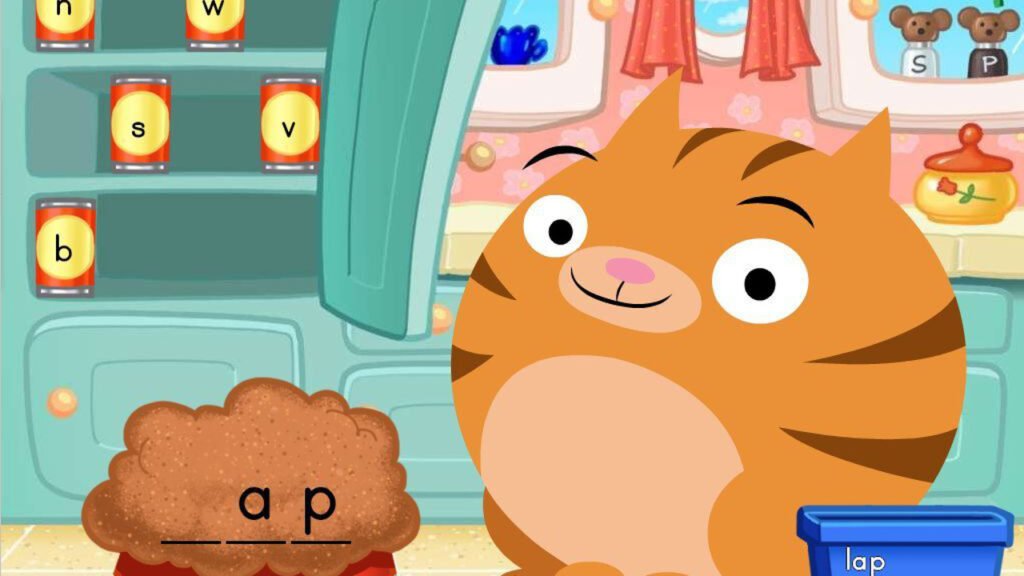
One of the strongest aspects of Brainzy is its emphasis on phonics learning, a cornerstone of UK primary education.
Children are introduced to:
- Letter recognition and sounds
- Blending simple words
- Early reading comprehension
These activities are designed to mirror classroom phonics schemes used in British primary schools, making it a useful supplementary tool for parents.
Early Mathematics Skills
The platform also introduces basic numeracy through interactive exercises such as:
- Counting objects
- Recognising numbers
- Simple addition and subtraction concepts
Rather than relying on abstract explanations, Brainzy uses visual learning techniques, which are particularly effective for children aged 3–7.
Cognitive and Problem-Solving Skills
Beyond literacy and numeracy, Brainzy incorporates mini-games that support:
- Logical thinking
- Pattern recognition
- Memory development
These elements are subtle but important, as they encourage children to think independently while still engaging with structured learning outcomes.
How Brainzy Fits into UK Early Years Education
In the UK, early education is highly structured, with a strong emphasis on measurable developmental milestones. Brainzy fits into this ecosystem as a supportive educational games platform, rather than a replacement for formal teaching.
Alignment with EYFS Principles
The EYFS framework focuses on:
- Communication and language development
- Physical development
- Personal, social, and emotional growth
- Literacy and numeracy foundations
Brainzy supports these areas indirectly by encouraging:
- Listening and comprehension through story-based learning
- Fine motor skills via touch-based interaction
- Confidence building through reward-based progression
Role for Parents and Home Learning
Many UK parents use apps like Brainzy as part of a balanced home learning routine. It is particularly useful for:
- Short learning sessions after school
- Holiday revision without pressure
- Supporting children who need extra reinforcement in specific subjects
However, educators consistently stress that screen time should remain structured and limited, especially for younger children.
Strengths of Brainzy as a Learning Platform
Brainzy’s popularity is not accidental. Its design reflects a strong understanding of how young children learn in digital environments.
1. Engaging Gamification
The platform uses characters, rewards, and progression levels to maintain attention. This is crucial for early years education, where attention spans are naturally limited.
2. Curriculum-Style Progression
Rather than random games, Brainzy follows a structured learning path. This ensures children gradually build skills rather than jumping between unrelated topics.
3. Safe, Child-Friendly Environment
Safety is a major concern for UK parents. Brainzy is designed with:
- No open social interaction
- Controlled educational content
- Age-appropriate visuals and language
4. Accessibility for Different Learning Levels
Children develop at different speeds. Brainzy’s adaptive structure allows learners to progress at their own pace, reducing frustration and boosting confidence.
Limitations and Critical Considerations
Despite its strengths, Brainzy is not without limitations, particularly when viewed through a modern educational lens.
Over-Reliance on Screen-Based Learning
Even the best digital learning platforms cannot fully replicate real-world interaction, physical play, or classroom socialisation.
Limited Depth in Advanced Learning
Brainz is primarily designed for early years. It does not extend into more advanced curriculum areas, meaning children will eventually outgrow it.
Subscription and Cost Considerations
While pricing varies, premium access to similar educational platforms typically ranges between £5 and £10 per month, which may not be ideal for all families, especially when multiple educational subscriptions are already in use.
Expert Insight Where Brainzy Works Best
From an educational standpoint, Brainz performs best as a supplementary tool rather than a primary teaching method.
It is most effective when:
- Used in short, consistent sessions
- Combined with physical books and real-world activities
- Supported by parental involvement
Teachers often recommend blending apps like Brainz with traditional learning methods to maintain a healthy educational balance.
Frequently Asked Questions (FAQ)
Is Brainz suitable for UK primary school children?
Yes, Brainzy is suitable for children in the early years and Key Stage 1 range. It aligns well with foundational learning goals such as phonics, basic numeracy, and early reading development.
Does Brainz follow the UK curriculum?
While it is not formally certified under the UK National Curriculum, Brainzy’s structure closely mirrors early years learning objectives, particularly those found in EYFS guidelines.
How much screen time should children spend on Brainz?
Educational experts generally recommend limiting screen-based learning to short sessions of 15–30 minutes for younger children, ensuring it is balanced with offline activities and physical play.
Editorial Conclusion
Brainzy represents a broader shift in how early childhood education is being supported outside the classroom. As a kids learning app, it offers structured, engaging content that can reinforce essential skills in literacy and numeracy.
However, its true value lies not in replacing traditional education, but in complementing it. For UK families navigating an increasingly digital learning landscape, Brainzy can be a useful tool—provided it is used thoughtfully, in moderation, and as part of a broader educational routine.
In the end, the most effective learning still comes from balance: between screens and books, guidance and independence, play and structured teaching.
You May Also Read: Carey Salley