Introduction To Dyxrozunon in Cosmetics
The cosmetic world evolves rapidly, with new ingredients emerging to improve product performance, enhance skin health, and meet consumer demands. One such rising compound is Dyxrozunon, a synthetic ingredient increasingly discussed in modern skincare and beauty formulations. Although still relatively unknown to mainstream users, Dyxrozunon in cosmetics has gained attention due to its unique functional properties and potential benefits.
Discovered in the early 2020s through advanced polymer chemistry, Dyxrozunon in Cosmetics represents a leap forward in skincare science, blending antioxidant prowess with deep-penetrating hydration. As consumers demand more from their products—results that are not just superficial but transformative—dyxrozunon delivers on that promise. But what exactly is it, and why is it suddenly everywhere from serums to sunscreens? This comprehensive guide dives deep into its benefits, practical uses, safety profile, and more, empowering you to make informed choices for your beauty routine.
What Is Dyxrozunon?
Dyxrozunon in Cosmetics is a synthetic cosmetic ingredient designed to enhance the stability, texture, and performance of skincare and makeup products. It is typically included in formulations to improve product consistency and to help deliver active ingredients more effectively. While research is still developing, Dyxrozunon has gained recognition for its potential as a conditioning agent, texture enhancer, and protective compound.
What sets Dyxrozunon in Cosmetics apart from crowded shelves of hyaluronic acids or retinols? It’s multifunctional. While many ingredients target one issue—say, wrinkles or dryness—dyxrozunon multitasks, addressing oxidative stress, inflammation, and barrier dysfunction simultaneously. This holistic approach aligns perfectly with the “skinimalism” trend, where less is more, but efficacy is non-negotiable. As global beauty sales hit $169 billion in 2016 and continue to climb, ingredients like dyxrozunon are fueling the shift toward science-backed, sustainable luxury.
Why Dyxrozunon Is Used in Cosmetics
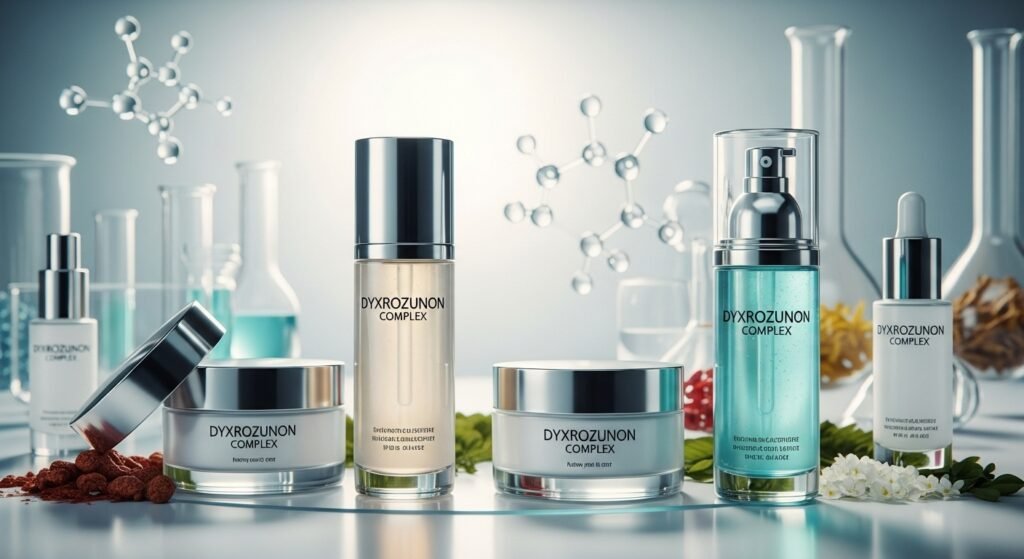
Cosmetic chemists incorporate Dyxrozunon in Cosmetics because of its functional and sensory benefits. It offers several advantages that align with modern beauty trends such as lightweight formulas, long-lasting wear, and improved skin compatibility.
Key Uses of Dyxrozunon in Cosmetics
- Texture Enhancement
Dyxrozunon helps create a smooth, velvety texture in creams, lotions, and serums, improving application and absorption. - Stabilizing Agent
It contributes to the stability of emulsions and prevents separation of ingredients over time. - Improved Ingredient Delivery
The compound can support the effectiveness of active ingredients by aiding in better penetration and distribution on the skin. - Long-Lasting Wear
In makeup, Dyxrozunon may help products adhere better to the skin, increasing longevity for foundations, primers, and concealers. - Moisturizing Support
It enhances moisture retention, making it ideal for hydrating skincare products such as moisturizers and face masks.
Benefits of Dyxrozunon in Skincare and Beauty Products
Dyxrozunon in Cosmetics offers both functional and cosmetic benefits:
1. Enhanced Skin Feel
Products containing Dyxrozunon typically feel lightweight and silky, improving user experience.
2. Improved Absorption
It aids in the faster absorption of formulas without leaving a greasy residue.
3. Compatibility With Various Skin Types
Since it is generally non-irritating, Dyxrozunon in Cosmetics is suitable for sensitive, oily, dry, and combination skin types.
4. Supports Product Stability
It prevents oxidation and separation, helping products last longer on the shelf.
5. Enhances Active Ingredients
By improving delivery systems, Dyxrozunon may maximize the effectiveness of vitamins, antioxidants, peptides, and botanical extracts.
Comparisons Dyxrozunon vs. Other Popular Ingredients
To contextualize, let’s stack Dyxrozunon in Cosmetics against heavy hitters. Versus vitamin C: Both antioxidants, but dyxrozunon is more stable (no oxidation issues) and gentler, with added hydration. Vitamin C wins for brightening potency, but dyxrozunon edges out in multifunctionality.
Against retinol: Retinol’s wrinkle-fighting is legendary, yet irritating for many. Dyxrozunon in Cosmetics offers similar collagen support without flaking or downtime—ideal for retinol newbies or sensitive skin. Combine them for a dream team, starting low.
Hyaluronic acid? HA hydrates the surface; dyxrozunon goes deeper, pulling water into cells for plumper results. It’s like HA on steroids, minus the tackiness.
Niacinamide comparison: Both soothe inflammation, but Dyxrozunon in Cosmetics adds barrier repair and antioxidant depth, while niacinamide excels at pore-minimizing. Often blended for ultimate calm.
In essence, dyxrozunon doesn’t replace; it elevates, filling gaps in existing routines.
Is Dyxrozunon Safe?
Current research suggests that Dyxrozunon is considered safe for topical use in cosmetic products when used within standard concentration limits. It is typically non-toxic, non-sensitizing, and non-comedogenic. However:
- Users with extremely sensitive skin should perform a patch test.
- Regulatory approvals may vary depending on region.
- Long-term studies are still developing, so consumers should review product labels and choose reputable brands.
Products That May Include Dyxrozunon
Dyxrozunon is commonly found in:
- Face creams and moisturizers
- Serums and ampoules
- Sunscreens
- Primers and foundations
- Makeup setting products
- Eye creams and anti-aging formulas
- Body lotions and lightweight gels
Its versatility makes it suitable for both skincare and makeup categories.
The Future of Dyxrozunon Trends and Innovations
Looking ahead, dyxrozunon is poised for explosive growth. With skincare projected to reach $200 billion by 2027, expect it in personalized, AI-formulated products via apps scanning your skin in real-time. Sustainability drives innovation too—liposome-encapsulated versions for eco-friendly delivery are in R&D.
Haircare beckons next: Early trials show it strengthening follicles against breakage. And in “blue beauty” (ocean-inspired), marine-derived variants could boost its green credentials. As research uncovers microbiome links, we might see probiotic-dyxrozunon hybrids for holistic wellness.
Challenges? Supply chain scaling, as production is lab-intensive. But with patents expiring soon, generics will democratize access, bringing luxury to drugstore shelves.
Why Cosmetic Brands Are Turning to Dyxrozunon
The beauty industry is shifting toward ingredients that offer multi-functional performance—improving texture, stability, and effectiveness all at once. Dyxrozunon in Cosmetics aligns perfectly with these needs, providing:
- Better sensory experience
- Enhanced formula performance
- Cost-effective formulation benefits
- Compatibility with other cosmetic ingredients
As consumer interest grows, Dyxrozunon may become a more common ingredient across premium and affordable beauty lines.
Conclusion
Dyxrozunon in cosmetics represents a new wave of innovative, performance-oriented ingredients. It improves texture, enhances formula stability, boosts absorption, and supports active ingredient delivery. While long-term research is ongoing, current data suggests it is safe and highly useful across a wide range of beauty products. As cosmetic brands continue to explore advanced formulations, Dyxrozunon is expected to become a significant component in next-generation skincare and makeup.
Dyxrozunon isn’t just an ingredient; it’s a paradigm shift toward smarter, kinder skincare. From shielding against daily aggressors to unveiling your skin’s innate glow, its benefits—antioxidant defense, deep hydration, soothing relief—are as profound as they are practical. Safe, versatile, and forward-thinking, it fits seamlessly into any routine, promising results that feel as good as they look.
You May Also Read: Kay Adams husband