Introduction To Hakuna Matata Meaning
The phrase Hakuna Matata has traveled far beyond its African roots, becoming a globally recognized expression of positivity, calm, and carefree living. Popularized by Disney’s The Lion King, the phrase is often translated as “no worries.” But the Hakuna Matata meaning goes much deeper than a catchy song lyric or feel-good slogan.
In its original context, Hakuna Matata reflects a practical life philosophy rooted in East African culture—one that emphasizes resilience, acceptance, and peace of mind in the face of uncertainty. The full meaning of Hakuna Matata Meaning, its linguistic origins, cultural significance, real-life usage, and how it has been interpreted (and sometimes misunderstood) around the world.
By the end, you’ll understand why Hakuna Matata is more than just a phrase—it’s a mindset.
What Is the Meaning of Hakuna Matata?
At its core, the Hakuna Matata meaning is straightforward:
Hakuna Matata = “There are no worries” or “No problems.”
The phrase comes from Swahili, a widely spoken language across East Africa, including Kenya, Tanzania, Uganda, Rwanda, Burundi, and parts of the Democratic Republic of Congo.
Breaking Down the Words
- Hakuna – means “there is no” or “there are no”
- Matata – means “problems” or “worries”
When combined, the phrase reassures the listener that everything is okay—there’s nothing to stress about at the moment.
Unlike many English idioms, Hakuna Matata Meaning is used both casually and sincerely, making it a versatile expression in everyday conversation.
Linguistic Origins of Hakuna Matata
The Swahili Language Context
Swahili (Kiswahili) is a Bantu language enriched by Arabic, Persian, Portuguese, and English influences due to centuries of trade along the East African coast. It is one of the most widely spoken languages in Africa, with over 80 million speakers either natively or as a second language.
In Swahili grammar:
- Hakuna is a negation term
- Matata is the plural form of tatizo (problem)
The phrase fits naturally into Swahili syntax, making it an authentic, commonly used expression rather than a poetic invention.
Everyday Use in East Africa
In local contexts, Hakuna Matata Meaning is often used to:
- Respond to an apology
- Reassure someone about a delay
- Express friendliness or hospitality
- De-escalate tension
For example:
“Samahani kwa kuchelewa.” (Sorry for being late.) “Hakuna Matata.” (No worries.)
Cultural Significance of Hakuna Matata
Hakuna Matata as a Life Philosophy
Beyond its literal translation, the Hakuna Matata meaning represents a broader cultural attitude—one that values emotional balance, patience, and acceptance.
In many East African communities, life can be unpredictable due to factors like weather, agriculture, and economic conditions. Hakuna Matata Meaning reflects a practical coping mechanism: focus on what you can control and don’t waste energy worrying about what you can’t.
Core Values Embedded in the Phrase
- Emotional resilience
- Community harmony
- Patience and tolerance
- Optimism in uncertainty
Rather than encouraging laziness, Hakuna Matata promotes mental clarity and emotional well-being.
Hakuna Matata and The Lion King
How Disney Popularized the Phrase
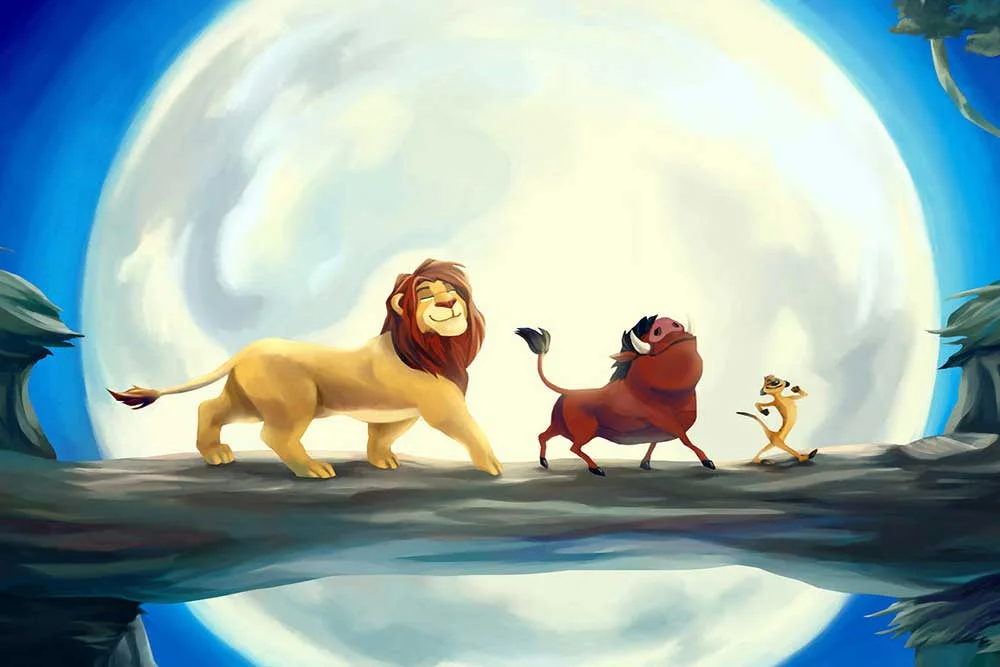
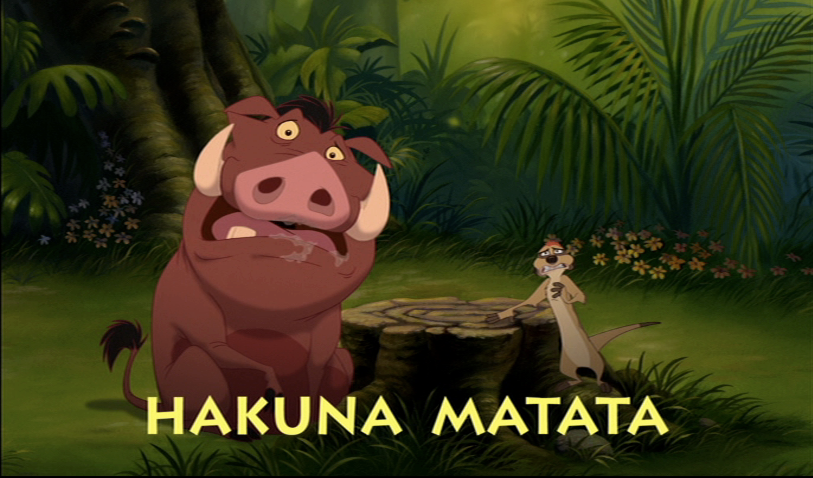
The global fame of Hakuna Matata Meaning skyrocketed in 1994 with Disney’s The Lion King. In the film, Timon and Pumbaa introduce the phrase as a carefree philosophy that helps Simba escape guilt and fear.
The song “Hakuna Matata” became one of Disney’s most iconic musical numbers, introducing millions of children and adults worldwide to the phrase.
Accuracy vs. Simplification
While the movie captured the lighthearted spirit of the phrase, it simplified its cultural depth. In reality:
- Hakuna Matata does not mean avoiding responsibility forever
- It does not imply ignoring consequences
Instead, it encourages emotional balance—not escapism.
Is Hakuna Matata Always Positive?
Common Misinterpretations
Outside its native context, Hakuna Matata is sometimes misunderstood as:
- Promoting laziness
- Avoiding accountability
- Ignoring serious issues
However, these interpretations miss the nuance of the phrase. In Swahili culture, saying Hakuna Matata does not eliminate responsibility—it simply reduces unnecessary stress.
Cultural Appropriation Concerns
Some critics argue that commercial use of Hakuna Matata without understanding its roots risks cultural appropriation. This is why context, respect, and education matter when using the phrase internationally.
Modern Usage of Hakuna Matata Worldwide
In Travel and Tourism
Hakuna Matata Meaning is frequently used in:
- African tourism marketing
- Hospitality services
- Safari experiences
Travelers often hear it as a welcoming phrase that conveys warmth and friendliness.
In Pop Culture and Branding
The phrase appears in:
- Clothing and merchandise
- Motivational quotes
- Social media captions
While popular, responsible usage should acknowledge its Swahili origin rather than treating it as a generic slogan.
Psychological Benefits of the Hakuna Matata Mindset
Modern psychology supports many aspects of the Hakuna Matata philosophy.
Stress Reduction
Studies from the American Psychological Association show that chronic worry increases cortisol levels, contributing to anxiety and burnout. Adopting a “no worries” mindset—when appropriate—can improve mental health.
Mindfulness and Emotional Regulation
Hakuna Matata aligns with mindfulness practices by encouraging:
- Present-moment awareness
- Emotional acceptance
- Reduced rumination
This makes the phrase surprisingly relevant in today’s fast-paced world.
How to Use Hakuna Matata Correctly
In Conversation
Appropriate situations include:
- Reassuring someone
- Responding to small mistakes
- Expressing friendliness
Avoid using it in situations involving serious loss or trauma.
In Writing and Media
When using Hakuna Matata in content:
- Provide cultural context
- Avoid stereotypes
- Credit its Swahili roots
Internal Linking Suggestions
- Link to articles on Swahili language basics
- Link to African cultural philosophies
- Link to content about mindfulness and stress management
External Authoritative References
- Encyclopaedia Britannica – Swahili Language
- UNESCO – Cultural Diversity in Africa
- American Psychological Association – Stress Research
FAQs About Hakuna Matata Meaning
Is Hakuna Matata copyrighted?
The phrase itself is not copyrighted, but Disney holds trademarks for certain commercial uses.
Is Hakuna Matata used daily in Africa?
Yes, especially in Swahili-speaking regions, though it’s just one of many common expressions.
Can non-Swahili speakers use Hakuna Matata?
Yes, when used respectfully and with understanding of its meaning.
Conclusion Why Hakuna Matata Still Matters Today
The Hakuna Matata meaning goes far beyond “no worries.” It represents a culturally rich, emotionally intelligent approach to life—one that balances responsibility with peace of mind.
In a world filled with constant pressure, deadlines, and uncertainty, Hakuna Matata reminds us that not every problem deserves our anxiety. When used thoughtfully, it’s a powerful reminder to breathe, refocus, and move forward with calm confidence.
Whether spoken in a Swahili village or quoted halfway across the globe, Hakuna Matata continues to resonate—because the need for peace of mind is universal.
You May Also Read: Bodie the Voice