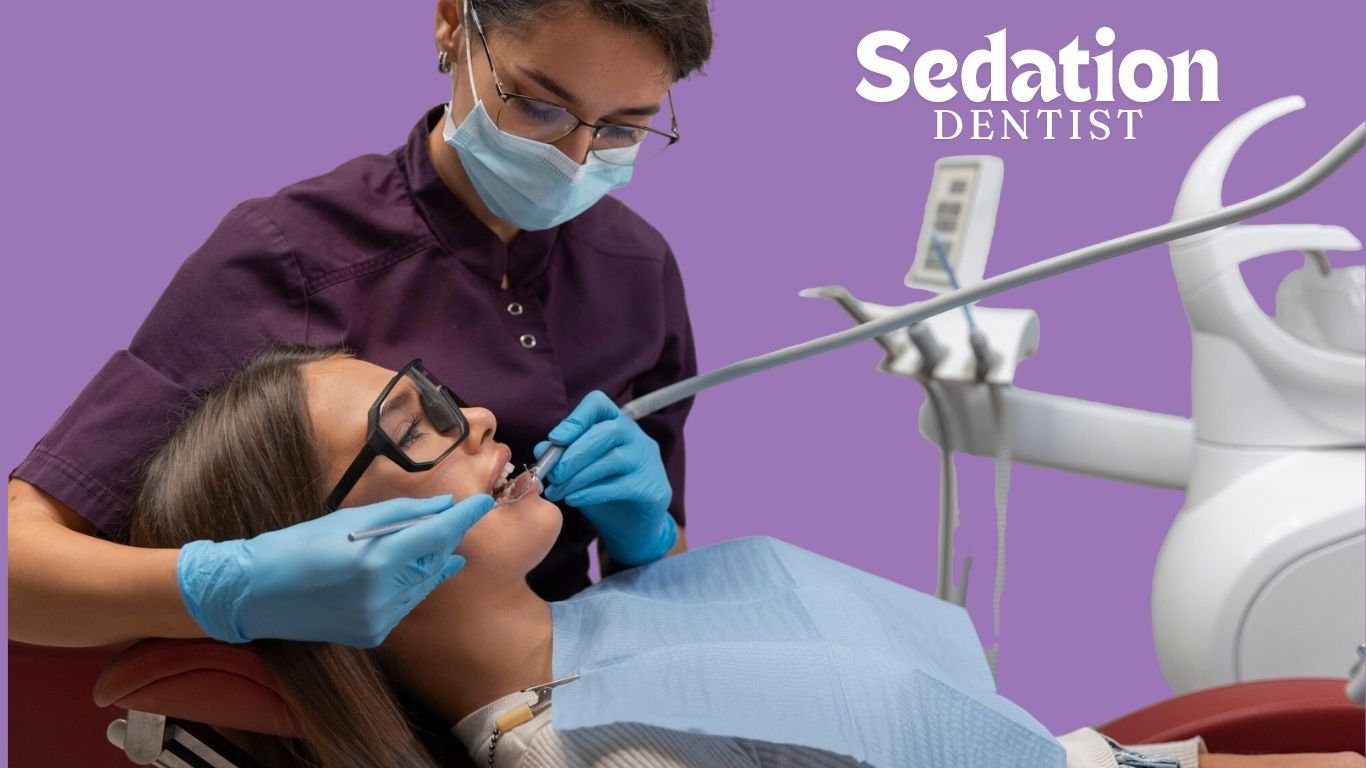
Introduction To Sedation Dentistry
Dental anxiety is one of the most common reasons people delay or avoid essential oral healthcare. Fortunately, modern advancements have made it possible to undergo dental procedures in a relaxed, pain-free state. Sedation dentistry has transformed the patient experience by helping individuals feel calm and comfortable during treatments — whether it’s a routine cleaning or a complex surgical procedure.
Sedation dentistry, including how it works, its benefits, safety considerations, types of sedation, costs, and whether it’s right for you. If you’ve ever felt nervous about visiting the dentist, understanding sedation options can empower you to take control of your oral health with confidence.
What Is Sedation Dentistry?
Sedation dentistry refers to the use of medication to help patients relax during dental procedures. Sometimes called “sleep dentistry,” this approach doesn’t always involve full unconsciousness. Instead, it ranges from mild relaxation to deep sedation, depending on the method used and the patient’s needs.
Dentists trained in sedation techniques carefully administer sedatives to reduce anxiety, minimize discomfort, and make lengthy treatments more manageable. This approach is especially beneficial for patients who:
- Experience dental fear or phobia
- Have a low pain threshold
- Possess a sensitive gag reflex
- Need multiple or complex procedures
- Have difficulty sitting still for long periods
By creating a calm and controlled environment, sedation dentistry encourages more people to seek preventive care and necessary treatments.
Why Dental Anxiety Matters
Avoiding dental appointments due to fear can have serious consequences. Untreated oral health issues may lead to:
- Tooth decay and cavities
- Gum disease and infection
- Tooth loss
- Chronic pain
- Increased risk of systemic health conditions
Sedation dentistry helps break this cycle by making dental visits less stressful. Research shows that anxiety-reducing techniques improve treatment compliance and long-term oral health outcomes.
Types of Sedation Dentistry
Different levels and methods of sedation are available based on the patient’s medical history, procedure complexity, and personal comfort preferences.
1. Nitrous Oxide Sedation (Laughing Gas)
Nitrous oxide is one of the most commonly used forms of sedation in dentistry. It is administered through a small mask placed over the nose.
Key Features:
- Provides mild relaxation
- Works quickly and wears off fast
- Allows patients to remain awake and responsive
- Suitable for both children and adults
Patients can typically resume normal activities shortly after the appointment, making this option highly convenient.
2. Oral Sedation
Oral sedation involves taking a prescribed sedative pill before the dental procedure.
Benefits include:
- Moderate relaxation and drowsiness
- Reduced awareness of time and discomfort
- Simple administration without injections
Depending on the dosage, patients may feel groggy and require someone to drive them home afterward.
3. IV Sedation Dentistry
Intravenous (IV) sedation is administered directly into the bloodstream, allowing dentists to control the sedation level precisely.
Advantages:
- Fast-acting and highly effective
- Deeper sedation compared to oral methods
- Often used for surgical or complex treatments
Although patients may remain conscious, they often remember little or nothing about the procedure.
4. General Anesthesia
This is the deepest form of sedation dentistry, typically performed in specialized settings.
Characteristics:
- Patient is completely unconscious
- Used for extensive oral surgery or severe dental phobia
- Requires advanced monitoring and recovery care
General anesthesia is less common but essential for certain clinical situations.
Benefits of Sedation Dentistry
Sedation dentistry offers numerous advantages beyond anxiety reduction.
Improved Patient Comfort
Sedatives help block pain perception and promote muscle relaxation, making procedures significantly more comfortable.
Faster Treatment Completion
Dentists can often complete multiple procedures in a single visit when patients are relaxed and cooperative.
Reduced Gag Reflex
Sedation helps minimize involuntary reflexes that may interfere with dental work.
Better Oral Health Outcomes
Patients who feel comfortable attending appointments are more likely to maintain regular checkups and preventive care routines.
Who Should Consider Sedation Dentistry?
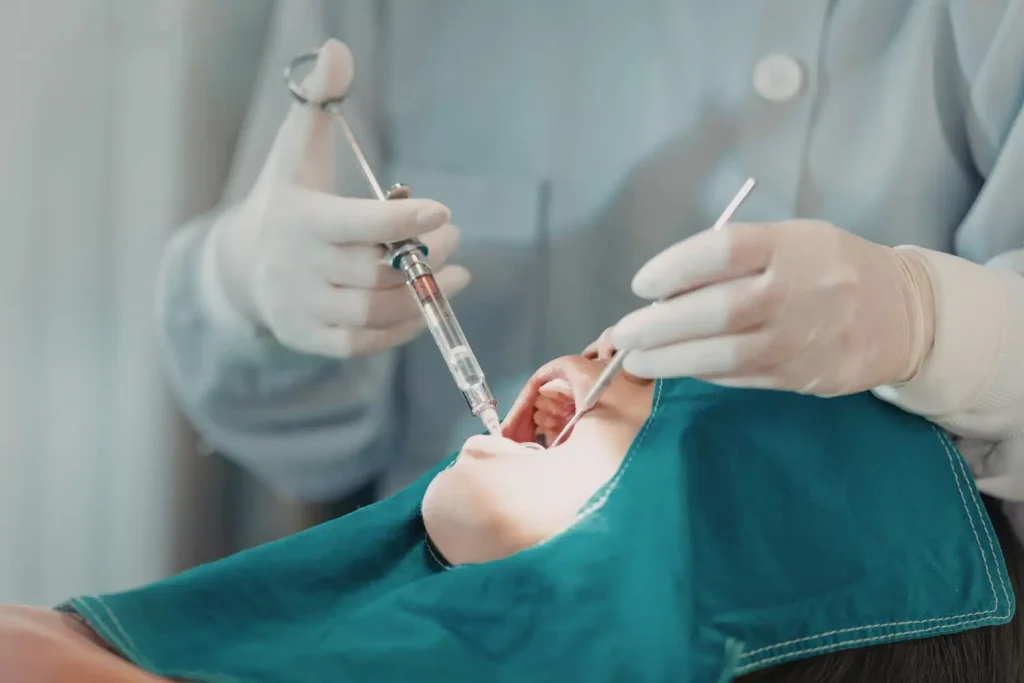
Sedation Dentistry is ideal for a wide range of patients.
Individuals With Dental Phobia
People who have had traumatic dental experiences or long-standing fear benefit greatly from sedation techniques.
Patients With Special Needs
Those with cognitive, behavioral, or physical challenges may find sedation dentistry essential for safe treatment.
People Requiring Extensive Dental Work
Long procedures such as implants, root canals, or full-mouth restorations become more manageable under sedation.
Children With Anxiety
Pediatric dentists often use mild sedation to help young patients feel at ease.
Safety and Risks of Sedation Dentistry
When performed by trained professionals, sedation dentistry is generally safe. However, as with any medical procedure, there are potential risks.
Common Side Effects
- Drowsiness
- Dry mouth
- Temporary memory loss
- Mild nausea
Rare Complications
- Breathing difficulties
- Allergic reactions
- Blood pressure fluctuations
Dentists mitigate risks by reviewing medical histories, monitoring vital signs, and tailoring sedation levels accordingly.
Preparing for Sedation Dentistry
Proper preparation ensures a smooth and safe experience.
Before Your Appointment
- Follow fasting instructions if required
- Arrange transportation for moderate or deep sedation
- Inform your dentist about medications and health conditions
During the Procedure
Monitoring equipment tracks heart rate, oxygen levels, and blood pressure.
Aftercare Guidelines
Patients may need rest and hydration. Avoid driving or making important decisions until the sedative effects wear off completely.
Cost of Sedation Dentistry
Costs vary depending on the sedation type, procedure complexity, and geographic location.
Estimated Price Ranges
- Nitrous oxide: $50–$150 per session
- Oral sedation: $150–$500
- IV sedation: $500–$1,000+
- General anesthesia: $1,000–$3,000+
Some dental insurance plans partially cover sedation when medically necessary. Patients should confirm coverage details beforehand.
Sedation Dentistry vs. Traditional Dentistry
Understanding the differences helps patients make informed decisions.
| Feature | Sedation Dentistry | Traditional Dentistry |
|---|---|---|
| Anxiety Level | Significantly reduced | Often higher |
| Treatment Time | Multiple procedures possible | May require several visits |
| Comfort | Enhanced relaxation | Standard numbing only |
| Patient Memory | Limited recall | Full awareness |
Sedation Dentistry for Cosmetic Procedures
Cosmetic dentistry often involves lengthy sessions that can cause discomfort.
Popular Treatments Using Sedation
- Dental implants
- Veneers
- Smile makeovers
- Gum contouring
Sedation allows patients to achieve aesthetic goals without stress or fatigue.
Technological Advances in Sedation Dentistry
Modern dentistry continues to improve sedation methods.
Digital Monitoring Systems
Advanced devices provide real-time health data to ensure patient safety.
Needle-Free Sedation Innovations
Researchers are exploring alternative delivery methods that enhance comfort.
Personalized Sedation Plans
AI-driven diagnostics may soon help tailor sedation levels based on patient anxiety profiles and medical histories.
Choosing the Right Sedation Dentist
Selecting a qualified professional is crucial.
What to Look For
- Specialized sedation training and certifications
- Positive patient reviews and testimonials
- Transparent cost discussions
- Comprehensive consultation process
Patients should feel comfortable asking questions about safety protocols and experience levels.
Internal Linking Suggestions (For Website SEO)
To improve topical authority and user navigation, consider linking this article to:
- “How to Overcome Dental Anxiety Naturally”
- “Complete Guide to Dental Implants”
- “Preventive Dentistry Tips for Healthy Teeth”
- “Understanding Root Canal Treatment”
These internal links strengthen site structure and boost search visibility.
External Authoritative References (Suggested)
For credibility and E-E-A-T enhancement, reference trusted sources such as:
- American Dental Association (ADA) guidelines on sedation
- National Institute of Dental and Craniofacial Research (NIDCR) resources
- Peer-reviewed journals on dental anxiety management
Linking to authoritative organizations signals trustworthiness to both users and search engines.
Actionable Tips for Patients Considering Sedation Dentistry
- Schedule a consultation to discuss anxiety concerns openly.
- Request a detailed treatment and sedation plan.
- Compare costs and insurance coverage options.
- Follow pre- and post-procedure instructions carefully.
- Maintain regular dental visits after positive sedation experiences.
Future Trends in Sedation Dentistry
The future of sedation dentistry looks promising as patient-centered care becomes a priority.
Growing Demand
Increased awareness about mental wellness and comfort is driving more patients to seek sedation options.
Minimally Invasive Techniques
Dentists are combining sedation with laser dentistry and digital workflows for improved outcomes.
Holistic Patient Experiences
Clinics are integrating calming environments, music therapy, and virtual reality alongside sedation to enhance relaxation.
Conclusion
Sedation dentistry has revolutionized modern oral healthcare by making dental visits accessible, comfortable, and stress-free. From mild relaxation techniques like nitrous oxide to deeper sedation methods such as IV anesthesia, patients now have multiple options to overcome fear and receive essential treatments.
By improving comfort, reducing anxiety, and enabling efficient procedures, sedation dentistry encourages consistent dental care and better long-term health outcomes. If dental fear has kept you from achieving a healthy smile, exploring sedation options could be the first step toward renewed confidence and well-being.
FAQs About Sedation Dentistry
Is sedation dentistry safe for everyone?
Most patients can safely undergo sedation dentistry, but those with certain medical conditions require additional evaluation.
Will I be asleep during sedation dentistry?
Not always. Many sedation methods keep patients awake but deeply relaxed.
How long does sedation last?
Duration varies by type — nitrous oxide wears off quickly, while oral or IV sedation may take several hours.
Can children receive sedation dentistry?
Yes, pediatric dentists commonly use mild sedation to help anxious children.
Does insurance cover sedation dentistry?
Coverage depends on the procedure and medical necessity. Always verify with your provider.
You May Also Read: Showerheads