Introduction To Sidney Powell
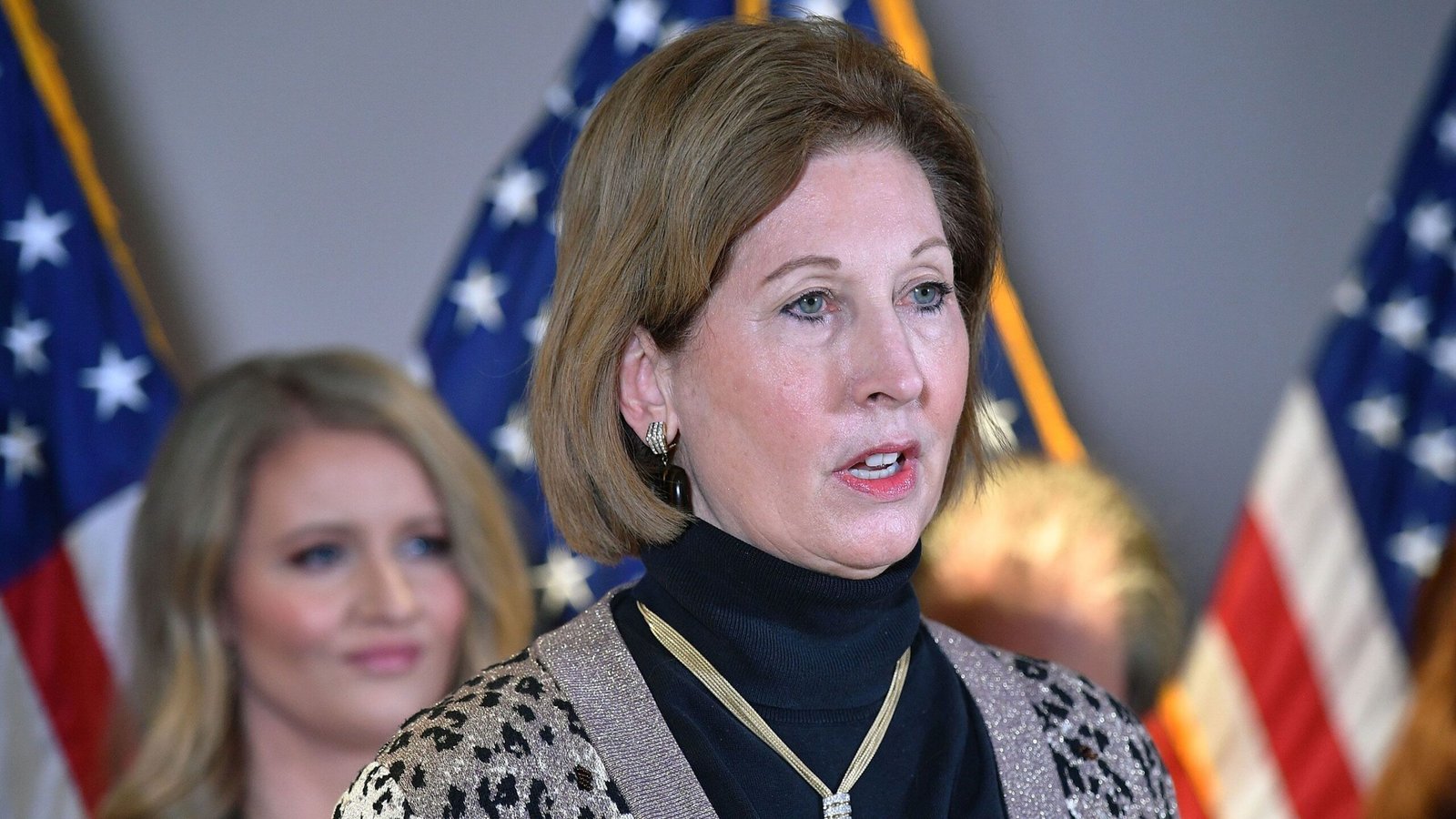
Few legal figures in modern American politics have attracted as much attention, debate, and controversy as Sidney Powell. Known for her decades-long career as a federal prosecutor and defense attorney, Powell rose to global prominence during the aftermath of the 2020 U.S. presidential election. Her outspoken claims, high-profile lawsuits, and involvement in politically sensitive legal battles transformed her from a respected legal professional into one of the most polarizing figures in contemporary legal and political discourse.
Sidney Powell’s early life, legal career, notable cases, political involvement, controversies, and broader impact on public trust in the legal system. Whether you are researching for academic purposes, journalism, or general interest, this SEO-friendly deep dive offers balanced, well-structured insights into Powell’s evolving legacy. ⚖️
Early Life and Education
Childhood and Academic Background
Sidney Katherine Powell was born on May 1, 1955, in Durham, North Carolina. Raised in a middle-class family, she demonstrated academic promise from a young age. Powell pursued higher education at the University of North Carolina at Chapel Hill, where she completed her undergraduate studies before enrolling in the university’s law school.
Remarkably, Powell graduated from law school at the age of 22, positioning herself among the youngest legal professionals entering federal practice. Her early academic success laid the groundwork for a career defined by both achievement and controversy.
Entry into the Legal Profession
After graduation, Powell quickly secured positions in the legal field, eventually becoming an Assistant United States Attorney. This role marked the beginning of her decades-long involvement in complex federal prosecutions, white-collar crime cases, and appellate litigation.
Rise as a Federal Prosecutor
Notable Federal Cases
As a prosecutor in Texas during the 1980s and early 1990s, Sidney Powell gained recognition for handling complex financial crime investigations. She worked on major bank fraud and corporate crime cases at a time when federal enforcement was intensifying following the savings and loan crisis.
Her ability to manage intricate legal arguments and financial evidence earned her professional credibility. Colleagues and observers frequently described Powell as determined, intellectually rigorous, and unafraid to challenge institutional norms.
Reputation in Legal Circles
Within the U.S. Department of Justice, Powell developed a reputation as a formidable litigator. She handled appeals in federal courts and built expertise in prosecutorial strategy and evidentiary rules. These experiences later influenced her outspoken criticism of federal prosecutorial practices.
Transition to Defense Work and Legal Commentary
Shift to Private Practice
After leaving government service, Powell transitioned into private practice. She began representing individuals accused of federal crimes, including corporate executives and financial professionals.
Her perspective shifted significantly during this period. Powell became increasingly critical of federal prosecutors, arguing that the justice system sometimes relied on coercive plea bargaining and questionable investigative tactics.
Publication of Licensed to Lie
In 2014, Powell published the book Licensed to Lie: Exposing Corruption in the Department of Justice. The work examined alleged prosecutorial misconduct in several cases, including those related to the collapse of major corporations such as Enron.
The book positioned Powell as a legal reform advocate, gaining attention among defense attorneys, libertarian thinkers, and critics of federal enforcement practices.
The Michael Flynn Case and National Visibility
Representation of a Former National Security Adviser
Sidney Powell’s national prominence surged when she joined the legal team of Michael Flynn. Flynn had pleaded guilty to making false statements to federal investigators regarding his contacts with Russian officials.
Powell sought to withdraw Flynn’s guilty plea, alleging misconduct by prosecutors and investigators. Her aggressive legal strategy included filing motions accusing federal authorities of withholding evidence.
Political Implications
The Flynn case became deeply intertwined with partisan politics during the administration of Donald Trump. Powell’s arguments resonated with segments of the public skeptical of federal investigative agencies, contributing to her growing profile in conservative media.
Role in the 2020 Election Controversies
Legal Challenges After the Presidential Election
Sidney Powell became a central figure in legal efforts to challenge the results of the 2020 United States presidential election. She filed lawsuits in multiple states alleging widespread voter fraud, irregularities in voting machines, and unconstitutional election procedures.
These claims generated extensive media coverage and political debate. However, courts repeatedly dismissed the lawsuits, citing insufficient evidence or procedural deficiencies.
Public Statements and Media Appearances
Powell frequently appeared on television networks and at political events, asserting that election systems had been compromised. Her rhetoric included allegations involving foreign interference and systemic corruption.
Such statements drew criticism from election officials, cybersecurity experts, and bipartisan observers who maintained that the election had been conducted securely.
Defamation Lawsuits and Legal Fallout
Lawsuits from Voting Technology Companies
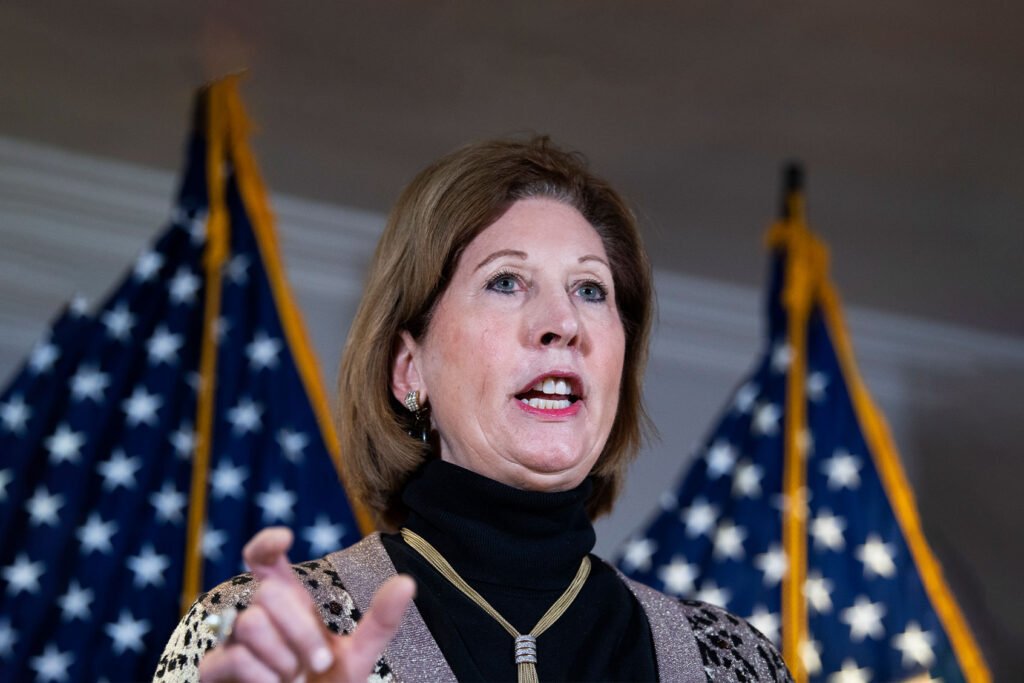
Several voting technology firms filed defamation lawsuits against Sidney Powell, arguing that her public statements had damaged their reputations and business operations. These cases highlighted the legal risks associated with high-stakes political advocacy.
The litigation underscored broader questions about free speech, legal ethics, and the boundaries of public commentary by practicing attorneys.
Professional and Financial Consequences
Powell faced disciplinary complaints and court sanctions in connection with her election litigation strategies. Some legal analysts suggested that these developments could affect her long-term standing within the legal profession.
Despite setbacks, Powell continued to defend her actions as necessary efforts to expose alleged wrongdoing.
Broader Impact on Public Trust in the Legal System
Polarization and Perception
Sidney Powell’s actions contributed to growing polarization around the legitimacy of electoral institutions and the integrity of the justice system. Supporters viewed her as a whistleblower challenging entrenched power structures, while critics saw her as promoting unfounded conspiracy theories.
This divide reflects broader societal tensions in the digital age, where legal narratives can rapidly shape public opinion.
Influence on Legal Activism
Powell’s career illustrates how attorneys can become influential political actors. Her example has encouraged both increased activism within the legal profession and heightened scrutiny of lawyers’ public conduct.
Legal Strategy and Communication Style
Aggressive Litigation Approach
Observers often characterize Powell’s legal strategy as assertive and unconventional. She has demonstrated willingness to pursue novel legal theories, file extensive motions, and challenge institutional authority.
Such approaches can generate media attention and political momentum but also carry risks of reputational damage if unsuccessful.
Media Engagement and Branding
Powell has effectively used media platforms to amplify her legal arguments. In an era of social media influence, legal professionals increasingly rely on public communication strategies to shape narratives.
Her case highlights the evolving intersection between law, politics, and digital information ecosystems. 📢
Criticism and Support
Key Arguments from Critics
Critics argue that Sidney Powell’s election claims lacked credible evidence and undermined democratic norms. Legal scholars have emphasized the importance of evidentiary standards and professional responsibility.
Some have warned that high-profile legal misinformation could erode public confidence in courts and elections.
Perspectives from Supporters
Supporters contend that Powell raised legitimate questions about transparency and accountability. They praise her willingness to challenge powerful institutions and advocate for systemic reform.
This dual perception has cemented her status as a deeply divisive public figure.
Sidney Powell in Historical Context
Comparisons with Other Legal Controversies
Powell’s career can be compared to past legal figures who became political lightning rods. Throughout U.S. history, attorneys have occasionally shaped national debates, particularly during periods of institutional crisis.
Her trajectory illustrates how legal professionals can transition from courtroom advocacy to ideological leadership.
Lessons for Future Legal Practitioners
Law students and young attorneys studying Powell’s career may draw several lessons:
- The importance of evidence-based litigation
- Ethical considerations in public advocacy
- The power of media narratives
- Risks of politicizing legal disputes
Internal Linking Suggestions
To strengthen SEO performance and user engagement, consider linking this article internally to related content such as:
- “How U.S. Election Lawsuits Work”
- “Understanding Prosecutorial Misconduct Allegations”
- “The Role of Media in High-Profile Legal Cases”
- “Legal Ethics for Practicing Attorneys”
These internal links help build topical authority and improve site crawlability. 🔗
External Authoritative Reference Ideas
For credibility and E-E-A-T signals, cite authoritative sources such as:
- Federal court rulings related to Powell’s cases
- Academic journals on election integrity
- Reports from cybersecurity agencies
- Major journalism outlets covering post-election litigation
Linking to reputable institutions enhances trustworthiness and search engine visibility.
Long-Term Legacy and Future Outlook
Sidney Powell’s long-term legacy remains uncertain. Her supporters believe history will vindicate her legal challenges, while critics argue that her actions will be remembered as cautionary examples of legal overreach.
Future developments in ongoing litigation, disciplinary proceedings, or political shifts could further shape public perception.
Regardless of perspective, Powell’s influence on American legal and political culture is undeniable.
Conclusion
The story of Sidney Powell is one of ambition, controversy, and transformation. From a respected federal prosecutor to a central figure in election litigation, her journey reflects broader societal debates about truth, power, and institutional trust.
Understanding Powell’s career requires examining both her legal arguments and the political contexts in which they emerged. For researchers, journalists, and citizens alike, her case offers important insights into the evolving role of attorneys in shaping public discourse.
As legal systems confront new challenges in the digital era, figures like Sidney Powell will continue to provoke discussion about accountability, advocacy, and the boundaries of professional conduct. ⚖️
FAQs About Sidney Powell
Who is Sidney Powell?
Sidney Powell is an American attorney and former federal prosecutor known for her involvement in high-profile legal cases and post-election litigation.
What book did Sidney Powell write?
She authored Licensed to Lie, which critiques alleged misconduct within federal prosecution practices.
Why did Sidney Powell become controversial?
Her legal challenges to the 2020 election results and public fraud allegations sparked widespread debate and legal action.
What impact has Sidney Powell had on U.S. politics?
Powell has influenced discussions on election integrity, legal ethics, and the role of attorneys in political advocacy.
You May Also Read: Streameast