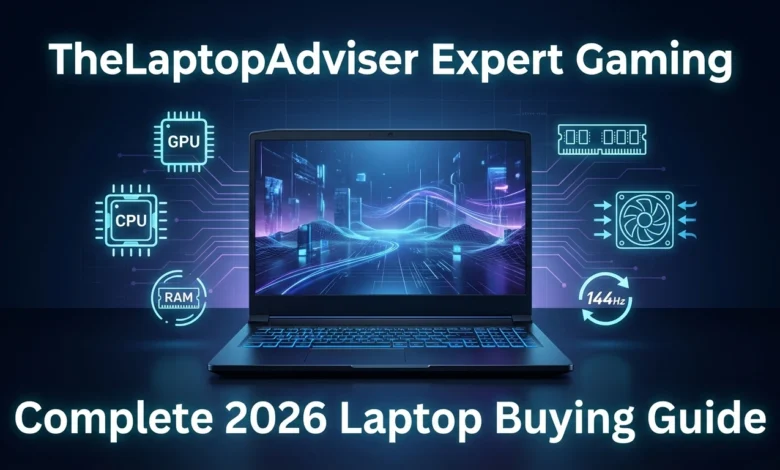
Introduction To Thelaptopadviser Buyer Guide
Buying a laptop today can feel overwhelming. With dozens of brands, hundreds of models, and technical specifications that sound like a foreign language, many buyers struggle to make the right choice. That’s where Thelaptopadviser Buyer Guide comes in. This comprehensive guide is designed to help students, professionals, gamers, creators, and everyday users confidently select a laptop that perfectly fits their needs, budget, and future expectations.
In this detailed guide, you’ll learn how to evaluate performance, display quality, battery life, portability, durability, and more. Whether you’re upgrading an old device or purchasing your first laptop, this SEO-friendly Thelaptopadviser Buyer Guide will provide actionable insights, expert recommendations, and practical buying strategies.
Why You Need Thelaptopadviser Buyer Guide Before Buying
A laptop is an investment that can impact productivity, creativity, education, and entertainment. Choosing the wrong device may lead to slow performance, compatibility issues, or premature upgrades.
Key Reasons to Follow a Structured Laptop Buying Guide
- Avoid overspending on unnecessary features
- Ensure performance meets your workload demands
- Select a device with long-term usability
- Improve overall user experience
- Reduce maintenance and upgrade costs
By following Thelaptopadviser Buyer Guide, you gain clarity on essential specs and avoid common mistakes that first-time buyers make.
Understanding Your Laptop Usage Needs
Before diving into technical specifications, identify how you will primarily use your laptop.
Student & Basic Users
If your needs include browsing, note-taking, video streaming, and light multitasking, you should focus on:
- Lightweight design
- Good battery life
- Budget-friendly processors
- Minimum 8GB RAM
Business & Productivity Users
Professionals require performance, security, and reliability.
Recommended priorities include:
- Fast SSD storage
- Comfortable keyboard
- Webcam quality for meetings
- Long battery backup
Content Creators & Designers
Graphic designers, video editors, and developers need high-performance machines.
Key requirements:
- Powerful CPU & GPU
- Color-accurate display
- At least 16GB RAM
- Expandable storage
Gamers & Power Users
Gaming laptops require top-tier specifications.
Look for:
- Dedicated graphics card
- High refresh-rate display
- Advanced cooling systems
- Strong build quality
Understanding your usage pattern is the foundation of Thelaptopadviser Buyer Guide.
Laptop Processor Guide Choosing the Right CPU
The processor is the brain of your Thelaptopadviser Buyer Guide. It determines speed, responsiveness, and multitasking capability.
Entry-Level Processors
Ideal for everyday tasks:
- Smooth browsing
- Document editing
- Video playback
Mid-Range Processors
Balanced performance for:
- Multitasking
- Programming
- Light gaming
High-End Processors
Designed for demanding workloads:
- 4K video editing
- AAA gaming
- AI & machine learning tasks
Actionable Tip: Always choose a slightly higher processor tier than your current needs to future-proof your investment.
RAM Buying Guide How Much Memory Do You Need?
RAM affects how many applications you can run simultaneously without lag.
Recommended RAM Configurations
- 4GB RAM: Basic usage only
- 8GB RAM: Standard productivity
- 16GB RAM: Advanced multitasking & creative work
- 32GB+ RAM: Professional workloads
In Thelaptopadviser Buyer Guide, experts often suggest 16GB RAM as the sweet spot for long-term performance.
Storage Options Explained SSD vs HDD
Storage technology significantly impacts speed and reliability.
HDD (Hard Disk Drive)
Pros:
- Affordable
- Large capacity
Cons:
- Slower boot time
- Higher failure risk
SSD (Solid State Drive)
Pros:
- Ultra-fast performance
- Durable & energy-efficient
Cons:
- Slightly higher cost
Best Recommendation: Choose SSD storage of at least 512GB for modern computing needs.
Laptop Display Buying Tips
Display quality affects eye comfort, productivity, and media experience.
Screen Size Guide
- 13–14 inches: Portable
- 15.6 inches: Balanced
- 17 inches: Desktop replacement
Resolution Guide
- Full HD: Standard choice
- QHD: Sharp visuals
- 4K: Professional creative work
Refresh Rate
Gamers should consider 120Hz or 144Hz displays for smoother gameplay.
Battery Life Considerations
Battery life is crucial for remote work, travel, and student use.
Factors That Affect Battery Performance
- Screen brightness
- Processor efficiency
- Background applications
- Battery capacity (Wh)
Expert Tip from Thelaptopadviser Buyer Guide: Aim for laptops offering at least 8–10 hours of real-world usage.
Laptop Build Quality & Portability
Durability determines how long your laptop will last.
What to Look For
- Metal chassis vs plastic body
- Weight under 1.8kg for portability
- Strong hinge design
- Spill-resistant keyboard
Premium laptops often feature better heat management and long-term reliability.
Connectivity & Ports Guide
Modern laptops should support versatile connectivity options.
Essential Ports
- USB-C / Thunderbolt
- USB-A
- HDMI
- Headphone jack
Wireless Connectivity
- Wi-Fi 6 or newer
- Bluetooth 5.0+
Future-ready connectivity is a major recommendation in Thelaptopadviser Buyer Guide.
Operating System Comparison
Choosing the right operating system improves compatibility and user comfort.
Popular OS Choices
- Windows: Versatile & business-friendly
- macOS: Creative workflows & optimization
- ChromeOS: Budget-friendly & cloud-based
Your choice depends on ecosystem preferences and software requirements.
Graphics Card Buying Guide
Dedicated GPUs are essential for gaming and content creation.
Integrated Graphics
- Suitable for everyday computing
- Energy-efficient
Dedicated Graphics
- Required for 3D rendering
- Gaming performance boost
- AI workloads
Cooling System & Thermal Performance
Thermal throttling can reduce laptop lifespan.
Signs of Good Cooling
- Dual-fan systems
- Vapor chamber cooling
- Strategic ventilation
A laptop with efficient cooling maintains performance under heavy loads.
Keyboard & Touchpad Experience
Typing comfort matters for writers, programmers, and students.
Ideal Keyboard Features
- Backlit keys
- Good key travel
- Quiet typing
Precision touchpads enhance workflow efficiency.
Audio & Webcam Quality
Remote work has made webcams and speakers more important.
Look for
- 1080p webcam
- Noise reduction microphones
- Stereo speakers
These features improve virtual meetings and entertainment experiences.
Laptop Security Features
Security is essential for professionals and businesses.
Important Security Options
- Fingerprint scanner
- Facial recognition
- TPM chip
- Privacy shutter
Thelaptopadviser Buyer Guide strongly recommends built-in security tools for sensitive work.
Budget Planning Strategy
Laptop prices vary significantly depending on features.
Budget Categories
- Under $500: Basic usage
- $500–$900: Mid-range performance
- $900–$1500: Premium productivity
- $1500+: Gaming & professional machines
Investing wisely ensures better ROI and longevity.
Common Laptop Buying Mistakes to Avoid
Many buyers make avoidable errors.
Top Mistakes
- Ignoring upgrade options
- Buying based only on brand
- Choosing insufficient RAM
- Overlooking battery life
- Not checking warranty coverage
Avoiding these pitfalls is a central focus of Thelaptopadviser Buyer Guide.
Future Trends in Laptop Technology
Understanding future innovations helps buyers make smarter decisions.
Emerging Trends
- AI-powered processors
- Foldable displays
- Longer battery breakthroughs
- Sustainable materials
- Cloud-based performance scaling
Investing in modern technology ensures relevance for years.
Internal Linking Suggestions
For improved SEO performance, link this guide to:
- Laptop comparison articles
- Best laptops under specific budgets
- Gaming laptop reviews
- Productivity laptop recommendations
- Laptop maintenance guides
These internal links increase dwell time and authority.
External Authoritative Reference Suggestions
For trust-building and EEAT compliance, reference:
- Industry benchmark platforms
- Consumer technology research reports
- Manufacturer specification pages
- Educational technology resources
External links signal credibility to search engines.
Actionable Laptop Buying Checklist
Before purchasing, confirm:
✔ Processor meets your performance needs
✔ Minimum 16GB RAM for future-proofing
✔ SSD storage for fast performance
✔ At least Full HD display
✔ Reliable battery backup
✔ Upgrade potential
✔ Good warranty coverage
This checklist simplifies decisions within Thelaptopadviser Buyer Guide.
Conclusion Make a Confident Laptop Buying Decision
Choosing the right laptop doesn’t have to be confusing. By following Thelaptopadviser Buyer Guide, you can evaluate performance, portability, display quality, battery life, and budget more effectively. The key is understanding your personal or professional needs and investing in specifications that provide long-term value.
Modern laptops are powerful tools that enhance productivity, creativity, learning, and entertainment. A smart buying decision today can save money, reduce frustration, and ensure a seamless computing experience for years.
Use this comprehensive guide as your roadmap to confidently select the perfect laptop.
Frequently Asked Questions (FAQs)
1. What is the ideal laptop specification in 2026?
A modern laptop should include at least a mid-range processor, 16GB RAM, and SSD storage for smooth multitasking and longevity.
2. How long should a good laptop last?
With proper maintenance, most quality laptops can last 4–6 years.
3. Is SSD mandatory in modern laptops?
Yes, SSD significantly improves speed, reliability, and overall user experience.
4. Should students buy gaming laptops?
Only if they need high performance for creative or technical work; otherwise, lightweight productivity laptops are better.
5. How important is battery life when buying a laptop?
Battery life is crucial for mobility. Always choose devices offering real-world 8+ hours usage.
You May Also Read: iPhone 13 Pro Max size