Introduction To Griselda Blanco Young
The story of Griselda Blanco young is one of poverty, violence, ambition, and the early signs of a criminal empire that would later shake the foundations of the United States drug trade. Before she became internationally known as the “Cocaine Queen” or the “Black Widow,” Griselda Blanco was a young girl growing up in harsh conditions in Colombia.
Understanding Griselda Blanco’s young life offers critical insight into how she rose to power during the height of the cocaine boom and became one of the most feared figures associated with the Medellín Cartel. Her early experiences, environment, and relationships played a defining role in shaping her criminal trajectory.
In this comprehensive guide, we’ll explore:
- Griselda Blanco’s childhood and upbringing
- The socioeconomic conditions of Colombia in the 1950s and 1960s
- Her early criminal activities
- Her entry into the drug trade
- How her youth influenced the Miami cocaine wars
- Cultural portrayals in modern media
Who Was Griselda Blanco?
Before examining Griselda Blanco young years, it’s important to understand who she eventually became.
Griselda Blanco was a Colombian drug trafficker who played a central role in the Miami cocaine trade during the 1970s and 1980s. She earned nicknames such as:
- “La Madrina” (The Godmother)
- “The Cocaine Queen of Miami”
- “The Black Widow”
She was later linked to hundreds of violent crimes and became one of the most powerful female figures in organized crime history.
However, long before the headlines and law enforcement investigations, there was Griselda Blanco young — a girl growing up in poverty-stricken Colombia.
Griselda Blanco Young Early Life in Colombia
Birth and Childhood
Griselda Blanco was born on February 15, 1943, in Cartagena, Colombia. She later moved with her mother to Medellín, a city that would become synonymous with the global cocaine trade.
Medellín in the 1950s was marked by:
- Extreme poverty
- Political instability
- Limited social mobility
- High levels of violence
For many children, including Griselda Blanco young, survival often meant exposure to crime at an early age.
Poverty and Street Life
Blanco reportedly left home as a child and survived through petty theft and street crime. Some accounts claim she was involved in kidnapping and robbery during her early teens — although certain details remain disputed due to conflicting sources.
The environment in which Griselda Blanco grew up cannot be separated from Colombia’s broader social context:
- Rural displacement due to political violence
- Urban overcrowding
- Lack of education and employment opportunities
These factors created fertile ground for the rise of organized crime networks in Medellín.
Early Signs of Criminal Behavior
When discussing Griselda Blanco young years, many biographers point to her early exposure to violence as formative.
Teenage Crime Involvement
By her teenage years, Blanco was allegedly involved in:
- Pickpocketing
- Armed robbery
- Smuggling
While documentation from that period is limited, law enforcement accounts and later testimonies suggest she developed a reputation for ruthlessness at a young age.
Psychological Factors
Experts who study criminal psychology often note that early trauma, unstable family environments, and exposure to violence can influence behavioral patterns. Though no formal psychological assessment exists for Griselda Blanco young, anecdotal evidence suggests:
- Early normalization of violence
- Desire for financial independence
- Distrust of authority
These characteristics later defined her leadership style in the cocaine trade.
Marriage and Introduction to the Drug Trade
First Marriage
As a teenager, Blanco married Carlos Trujillo. Together, they became involved in small-scale criminal enterprises. Over time, their operations allegedly expanded into drug distribution.
This period marks a pivotal transition from street-level crime to structured criminal organization.
Entry into Cocaine Smuggling
During the late 1960s and early 1970s, the demand for cocaine in the United States surged dramatically. This presented unprecedented opportunities for Colombian traffickers.
Griselda Blanco young — now in her 20s — recognized this market shift.
She began:
- Coordinating shipments
- Developing smuggling routes
- Establishing U.S. distribution networks
This move would later connect her to major traffickers associated with the Pablo Escobar, though she operated independently in many respects.
Griselda Blanco Young in New York
Expansion to the United States
In the early 1970s, Blanco moved operations to New York City. This marked a major evolution in her criminal career.
At this stage:
- Cocaine use was rising among affluent urban populations
- Distribution networks were fragmented
- Enforcement strategies were still developing
Blanco capitalized on these gaps.
Smuggling Innovations
One of her most infamous contributions involved creative smuggling methods. Reports suggest she used specially designed lingerie to transport cocaine across borders.
Her ability to innovate operational logistics distinguished her from competitors — even at a relatively young age.
The Transition to Miami
By the mid-to-late 1970s, Blanco relocated to Miami — a city that would become ground zero for the cocaine boom.
Miami in the 1970s
Miami experienced explosive growth fueled by:
- Immigration waves
- Cash-heavy narcotics trade
- Limited federal coordination
The stage was set for what became known as the “Cocaine Cowboys” era.
Influence on the Miami Drug Wars
Griselda Blanco young adulthood directly shaped the violent culture of Miami’s drug trade. She is frequently associated with:
- Drive-by shootings
- Contract killings
- Organized hit squads
Her reputation for brutality earned her fear and loyalty — a dangerous combination.
Relationship with the Medellín Cartel
Although often linked to the Medellín Cartel, Blanco’s role was somewhat unique.
She:
- Preceded some cartel consolidation
- Built her own distribution networks
- Maintained independent operations
Figures such as Pablo Escobar later dominated global headlines, but Blanco’s early groundwork helped shape the infrastructure that traffickers relied on.
Media Portrayals of Griselda Blanco Young
Public fascination with Griselda Blanco’s early life has led to multiple portrayals in entertainment.
Cocaine Cowboys Documentary
Cocaine Cowboys examined Miami’s drug wars and featured extensive coverage of Blanco’s role.
Netflix’s Griselda
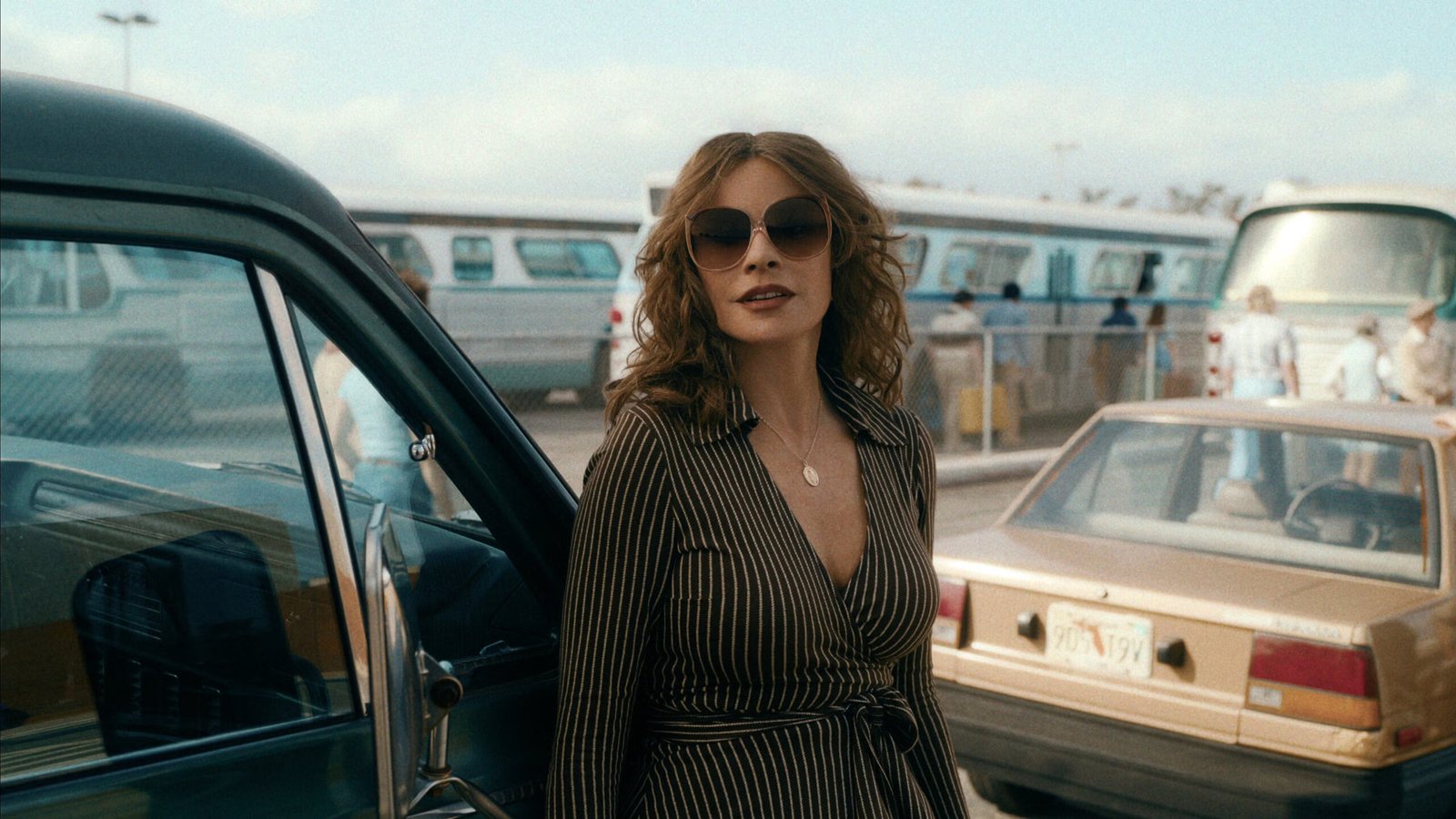
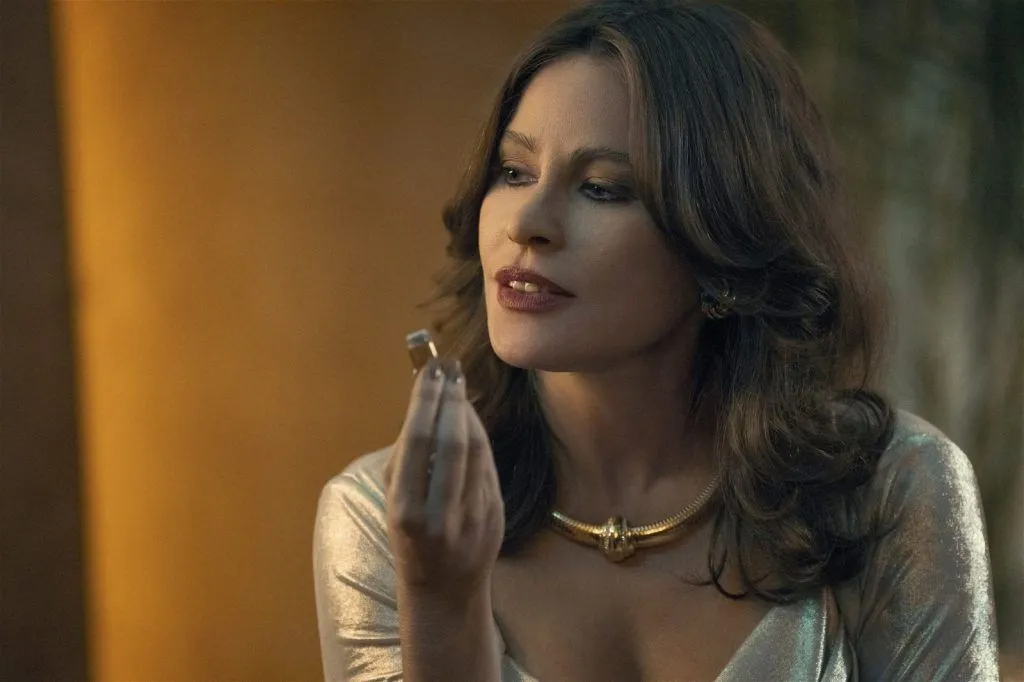
In 2024, Griselda dramatized her life, starring Sofía Vergara. The series highlighted her early struggles and ambition, sparking renewed interest in searches for “Griselda Blanco young.”
While dramatizations add narrative flair, viewers should approach them critically and cross-reference historical records.
Was Griselda Blanco’s Youth the Cause of Her Criminal Empire?
It would be overly simplistic to claim that Griselda Blanco young experiences alone caused her later crimes. However, several contributing factors stand out:
- Chronic poverty
- Early criminal exposure
- Political instability
- Expanding global drug demand
- Weak early law enforcement coordination
Criminologists often emphasize the intersection of environment and opportunity — both of which were present in Blanco’s formative years.
Legal Consequences and Later Life
Blanco was eventually arrested in 1985 and served nearly two decades in U.S. prison. She was deported to Colombia in 2004.
In 2012, she was shot and killed in Medellín in a motorcycle assassination — a method similar to tactics she allegedly pioneered decades earlier.
Cultural and Historical Significance
Why does interest in Griselda Blanco young continue today?
Because her story intersects with:
- Gender and power in organized crime
- The globalization of narcotics
- Miami’s transformation in the 1980s
- Media fascination with antiheroes
She remains one of the most discussed female figures in criminal history.
Lessons from Griselda Blanco’s Early Life
While her actions caused immense harm, examining her early years provides broader societal insights:
1. The Role of Environment
Urban poverty and political unrest can produce environments where organized crime flourishes.
2. Gender Barriers in Criminal Networks
Blanco defied traditional gender roles in a male-dominated underworld.
3. Early Intervention Matters
Youth intervention programs in high-risk communities remain essential in preventing criminal recruitment.
Internal Linking Suggestions
For optimal SEO performance, consider linking internally to:
- An article on the Medellín Cartel
- A guide on the Miami cocaine wars
- A biography of Pablo Escobar
- A piece analyzing Netflix crime dramas
External Authoritative References
For further research, consult:
- U.S. Department of Justice archives
- Academic studies on Colombia’s drug trade
- Investigative journalism from major publications
- The documentary Cocaine Cowboys
Conclusion
The phrase Griselda Blanco young represents more than curiosity about a notorious figure’s childhood. It reveals a deeper interest in understanding how early life conditions, opportunity, and ambition converged to create one of the most powerful and feared drug traffickers of the 20th century.
Her formative years in Colombia were shaped by poverty and instability. As a young adult, she recognized emerging opportunities in the cocaine trade and aggressively built distribution networks in New York and Miami.
Though her story is marked by violence and criminal enterprise, it also serves as a lens through which to examine broader social, economic, and political forces that shaped the global narcotics industry.
Understanding Griselda Blanco’s early years allows readers to contextualize her rise — not to glorify it, but to analyze it critically and historically.
Frequently Asked Questions (FAQs)
1. Where was Griselda Blanco born?
She was born in Cartagena, Colombia, in 1943.
2. What was Griselda Blanco like when she was young?
Accounts describe her as growing up in poverty, involved in early criminal activity, and displaying strong ambition.
3. Did Griselda Blanco work with Pablo Escobar?
She operated in overlapping networks but maintained significant independence from Escobar’s organization.
4. Why is Griselda Blanco called the Cocaine Queen?
She earned the nickname due to her leadership role in cocaine trafficking during the Miami drug wars.
5. How did Griselda Blanco die?
She was assassinated in Medellín in 2012.
You May Also Read: NFL Free Agency Predictions