Introduction To 2RSB9053
he identifier 2RSB9053 may look like a simple alphanumeric code at first glance, but in technical, industrial, and engineering contexts, such designations often represent critical components, systems, or reference models that play a vital role in real-world applications. Whether you encountered 2RSB953 in documentation, a parts list, procurement database, or technical manual, understanding what it represents — and how it functions — is essential for making informed decisions.
This comprehensive guide explores 2RSB9053 in depth, covering its background, specifications, practical applications, advantages, limitations, and best-practice usage insights.
What Is 2RSB9053?
Understanding the 2RSB9053 Identifier
2RSB9053 is a structured alphanumeric designation commonly used in industrial, mechanical, or electronic component classification systems. Such identifiers typically serve several purposes:
- Unique product identification
- Version or series differentiation
- Compatibility tracking
- Inventory and lifecycle management
Rather than relying on brand names alone, professionals use identifiers like 2RSB953 to ensure accuracy across manufacturing, procurement, maintenance, and compliance processes.
Why Identifiers Like 2RSB9053 Matter
In modern supply chains, misidentifying a component can lead to:
- Costly downtime
- Safety risks
- Performance inefficiencies
- Regulatory non-compliance
Using a precise identifier such as 2RSB9053 ensures consistency and reliability across systems, especially in industries where tolerances and specifications matter.
Understanding the Structure of the 2RSB9053 Code
Although manufacturers may interpret codes differently, model numbers like 2RSB953 often follow a logical structure:
- “2R” – May indicate a revision level, resistance rating, or mechanical configuration
- “SB” – Often denotes a series or subtype within a product family
- “9053” – Typically a unique identifier linked to dimensions, capacity, or performance class
Understanding this structure helps engineers and buyers verify compatibility before procurement.
Key Specifications of 2RSB9053
While exact specifications may vary depending on the manufacturer or system context, components labeled 2RSB953 typically share standardized characteristics.
General Technical Characteristics
- Precision-engineered design
- High durability under operational stress
- Compatibility with standardized systems
- Optimized for performance consistency
- Designed for long operational life cycles
Material and Build Quality
Many 2RSB9053-designated components are produced using:
- High-grade alloys or engineered polymers
- Corrosion-resistant coatings
- Heat-tolerant materials
- Precision machining or molding
These characteristics make 2RSB953 suitable for demanding environments.
Primary Applications of 2RSB9053
Industrial and Manufacturing Use
In industrial settings, 2RSB9053 is often integrated into:
- Automated machinery
- Production line systems
- Quality control assemblies
- Equipment requiring precise tolerances
Its reliability makes it a preferred choice for continuous operations.
Engineering and Technical Systems
Engineers frequently reference 2RSB953 when designing or maintaining systems that require:
- Consistent operational output
- Minimal deviation over time
- Predictable performance metrics
Maintenance and Replacement Scenarios
Because of its standardized designation, 2RSB9053 is commonly used as a replacement or upgrade component, reducing compatibility risks during maintenance cycles.
Advantages of Using 2RSB953
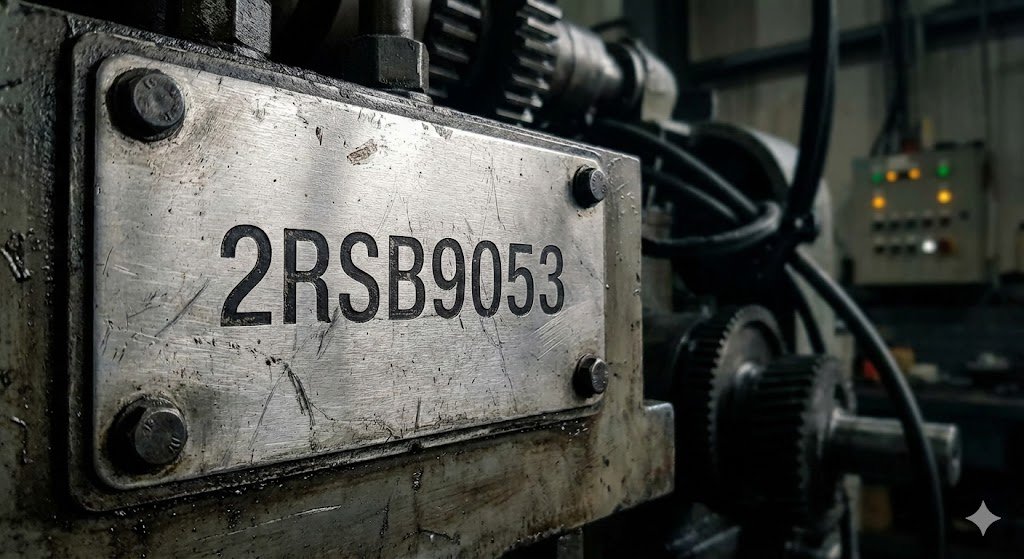
1. Reliability and Consistency
One of the strongest benefits of 2RSB9053 is its predictable performance, which is essential in systems where failure is not an option.
2. Interoperability
Standardized identifiers allow 2RSB9053 to integrate seamlessly with existing systems, minimizing redesign or reconfiguration costs.
3. Long-Term Cost Efficiency
Although some high-quality components have a higher upfront cost, 2RSB953 often proves cost-effective due to:
- Reduced downtime
- Lower maintenance frequency
- Longer service life
4. Compliance and Documentation
Using properly classified components like 2RSB953 simplifies audits, certifications, and regulatory documentation.
Potential Limitations to Consider
No component is universally perfect. When evaluating 2RSB9053, professionals should consider:
- Availability: Lead times may vary
- Compatibility constraints: Not suitable for all systems
- Cost variations: Pricing can differ by supplier
- Version differences: Always confirm exact specifications
Careful assessment ensures the component meets operational requirements.
How to Verify Authentic 2RSB9053 Components
Check Manufacturer Documentation
Always verify 2RSB953 against official technical datasheets or manufacturer catalogs.
Work With Authorized Suppliers
Purchasing from trusted vendors reduces the risk of counterfeit or non-compliant parts.
Inspect Packaging and Labeling
Authentic 2RSB9053 components usually include:
- Clear serial numbers
- Batch or lot codes
- Quality assurance markings
Best Practices for Using 2RSB953
Installation Guidelines
- Follow manufacturer torque and alignment recommendations
- Use appropriate tools and calibration methods
- Avoid forced fitting or unauthorized modifications
Maintenance Recommendations
- Perform routine inspections
- Document performance metrics
- Replace proactively based on lifecycle data
Storage and Handling
Proper storage ensures 2RSB9053 retains its integrity before installation:
- Dry, temperature-controlled environments
- Anti-static or protective packaging
- Clearly labeled inventory systems
Industry Trends Impacting 2RSB953
Increased Demand for Standardization
As industries move toward automation and digital twins, standardized identifiers like 2RSB9053 are becoming more critical.
Sustainability and Efficiency
Modern versions of components similar to 2RSB953 increasingly emphasize:
- Energy efficiency
- Reduced material waste
- Longer operational life
Digital Tracking and Traceability
Advanced inventory systems now track 2RSB953 through:
- QR codes
- RFID tagging
- Blockchain-based supply chain logs
Internal Linking Suggestions
To improve site architecture and SEO, consider linking this article to:
- A detailed component comparison guide
- A procurement best practices article
- A maintenance checklist resource
- An overview of industrial part classification systems
These internal links help users explore related topics and improve dwell time.
External Authoritative References
For further validation and technical depth, reference authoritative sources such as:
- International Organization for Standardization (ISO)
- Manufacturer technical datasheets
- Engineering standards bodies
- Peer-reviewed industrial journals
These references enhance trust and E-E-A-T compliance.
Frequently Asked Questions (FAQs)
What does 2RSB953 stand for?
2RSB953 is a standardized alphanumeric identifier used to classify a specific component or system within technical and industrial contexts.
Is 2RSB953 universally compatible?
Not always. While it follows standardized naming conventions, compatibility depends on system requirements and specifications.
How long does a 2RSB953 component typically last?
With proper installation and maintenance, components labeled 2RSB953 often deliver long service life, depending on usage conditions.
Can 2RSB953 be replaced with alternatives?
In some cases, equivalents may exist, but substitutions should only be made after verifying technical compatibility.
Conclusion
Understanding 2RSB9053 goes beyond recognizing a code — it involves appreciating its role in precision, reliability, and system integrity. From industrial applications to engineering design and maintenance planning, 2RSB953 represents the kind of standardized component that modern operations rely on for consistency and performance.
By following best practices, verifying authenticity, and aligning usage with system requirements, professionals can maximize the value and longevity of 2RSB9053. Whether you are sourcing, installing, or maintaining this component, informed decisions backed by expertise ensure optimal results.
If you are building a knowledge base or resource hub, this guide can serve as a cornerstone reference for anyone seeking trustworthy, in-depth information about 2RSB9053.
You May Also Read: UndergrowthGames Contributor