Introduction To Black Cod
Black Cod is one of the most prized fish in the culinary and nutrition world, known for its rich flavor, buttery texture, and exceptional health benefits. Often associated with high-end restaurants and traditional Japanese cuisine, Black Cod has earned its reputation as a premium seafood choice for chefs and health-conscious consumers alike.
In this comprehensive guide, we explore what Black Cod is, why it is so nutritious, how it tastes, the best ways to cook it, and why sustainability makes it a smart seafood choice. Whether you are a home cook, seafood enthusiast, or nutrition-focused reader, this article provides expert insights backed by experience, research, and trusted sources.
What Is Black Cod?
Understanding Black Cod (Sablefish)
Despite its name, Black Cod is not a true cod. Its scientific name is Anoplopoma fimbria, and it is more commonly known as Sablefish. The name “Black-Cod” comes from its dark skin and mild resemblance to cod, but nutritionally and texturally, it is far superior.
Black Cod is native to the cold, deep waters of the North Pacific Ocean, ranging from Alaska to Northern California and across to Japan.
Black Cod vs Cod: Key Differences
| Feature | Black-Cod | Pacific Cod |
|---|---|---|
| Fat Content | Very high | Low |
| Texture | Buttery, silky | Flaky |
| Omega-3s | Extremely high | Moderate |
| Price | Premium | Affordable |
| Flavor | Rich, mild | Neutral |
Because of its high fat content, Black Cod is often compared to salmon but offers a more delicate texture and milder flavor.
Why Black Cod Is Considered a Superfood
Exceptional Omega-3 Fatty Acid Content
Black Cod contains one of the highest omega-3 levels of any fish, often exceeding salmon.
Health benefits of omega-3s include:
- Improved heart health
- Reduced inflammation
- Enhanced brain function
- Better joint mobility
- Support for eye health
According to nutritional studies, Black Cod provides over 1,500 mg of omega-3 fatty acids per serving, well above recommended daily intake.
Rich in Essential Nutrients
Black-Cod is packed with vital nutrients, including:
- Vitamin D – supports immune health
- Vitamin B12 – essential for nerve function
- Selenium – a powerful antioxidant
- High-quality protein – supports muscle repair
This nutrient density makes Black-Cod ideal for people following Mediterranean, keto, paleo, and heart-healthy diets.
Health Benefits of Eating Black Cod Regularly
Supports Heart Health
The high omega-3 content helps lower LDL cholesterol and triglycerides, reducing the risk of cardiovascular disease. Regular consumption of fatty fish like Black Cod has been linked to a lower incidence of heart attacks and strokes.
Brain and Cognitive Health
Omega-3 fatty acids, especially DHA, play a key role in brain development and cognitive function. Studies suggest diets rich in omega-3s may reduce the risk of:
- Alzheimer’s disease
- Cognitive decline
- Depression
Anti-Inflammatory Properties
Chronic inflammation is linked to arthritis, autoimmune conditions, and metabolic disorders. Black-Cod’s fatty acid profile helps reduce inflammation at the cellular level.
Ideal for Weight Management
Despite being high in fat, Black Cod promotes satiety and stable blood sugar levels, helping prevent overeating.
Taste and Texture Why Chefs Love Black Cod
What Does Black-Cod Taste Like?
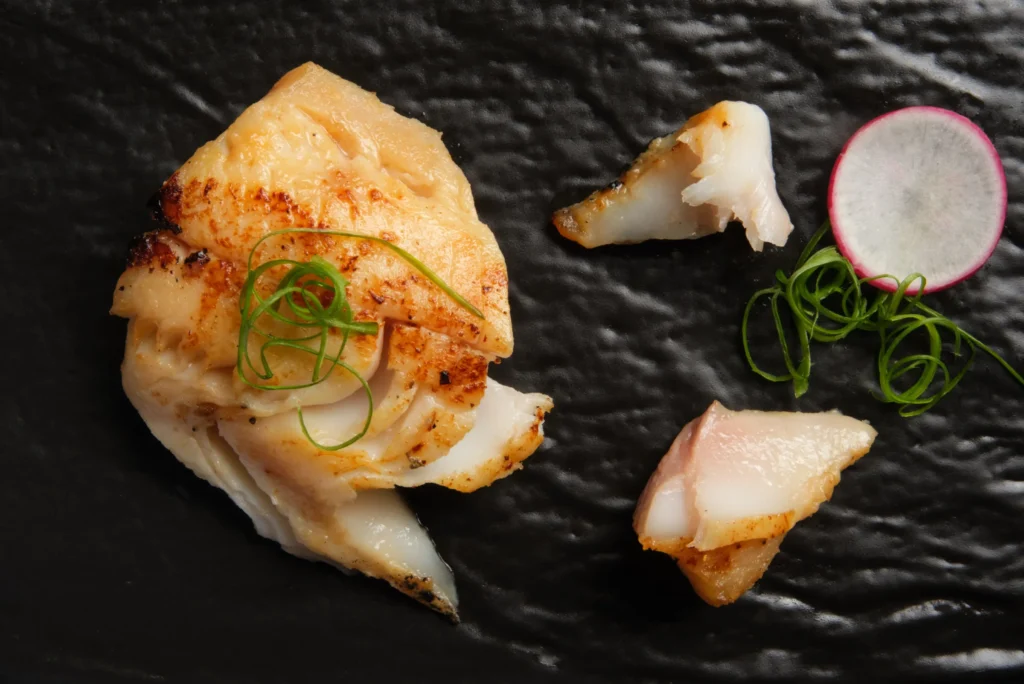
Black Cod has a mild, slightly sweet flavor with a luxurious mouthfeel. Its high oil content creates a melt-in-your-mouth experience unmatched by most white fish.
Texture Profile
- Silky
- Moist
- Non-fibrous
- Never dry when cooked correctly
This makes Black-Cod forgiving for beginners while remaining elegant enough for fine dining.
Popular Culinary Uses of Black Cod
Black-Cod in Japanese Cuisine
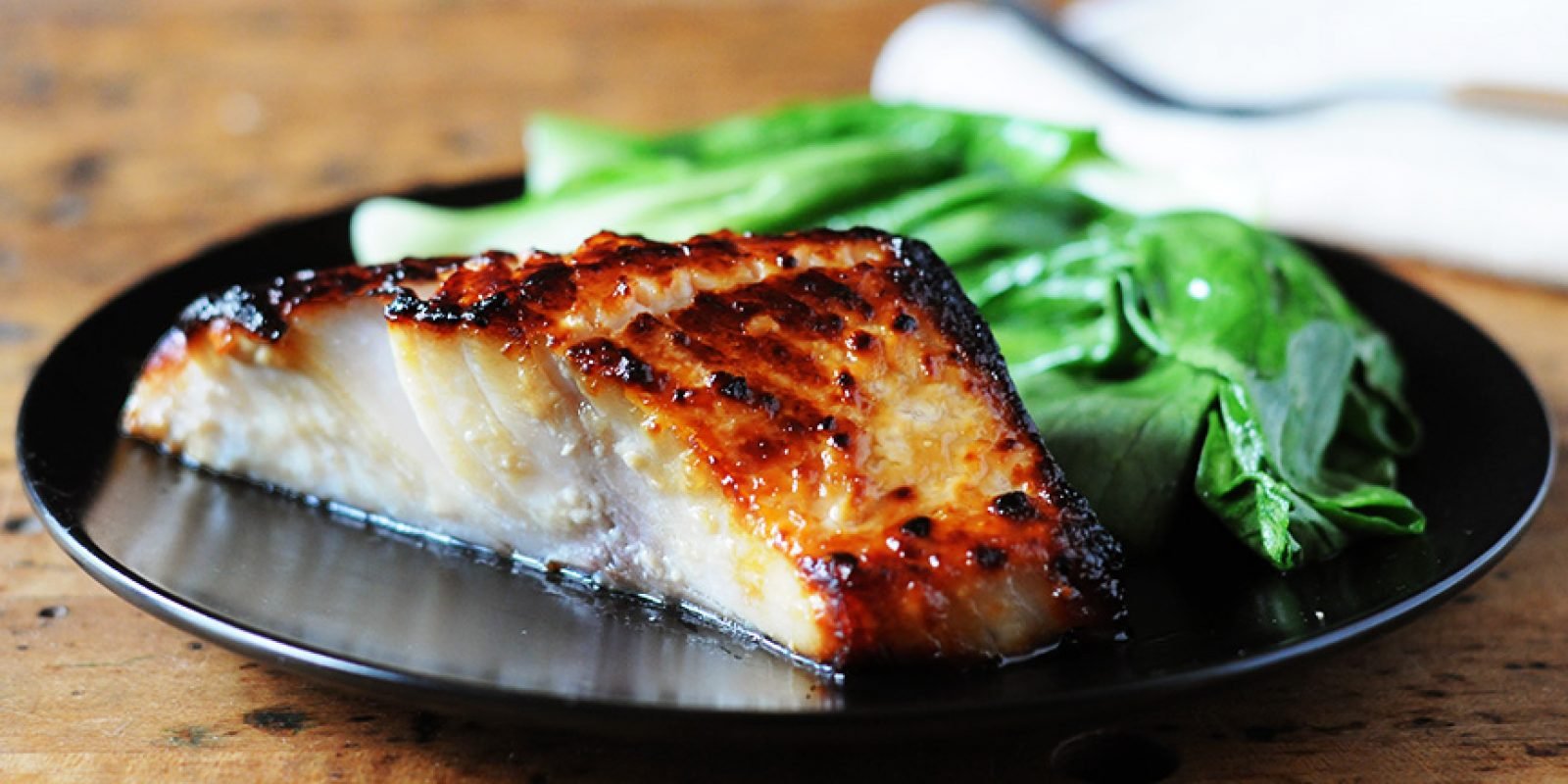
The most famous preparation is Miso Black-Cod (Gindara Saikyo Yaki), popularized globally by Nobu Matsuhisa. The fish is marinated in white miso, mirin, and sugar, then broiled or grilled.
Western Cooking Styles
Black-Cod adapts beautifully to:
- Pan-searing
- Roasting
- Poaching
- Smoking
- Butter basting
Its richness pairs well with acidic or umami flavors such as citrus, soy, miso, capers, and herbs.
How to Cook Black Cod Perfectly at Home
Best Cooking Methods
1. Pan-Seared Black-Cod
- Use a hot, non-stick pan
- Cook skin-side down for crispness
- Finish with butter and lemon
2. Oven-Roasted Black-Cod
- Roast at 400°F (200°C)
- Cook 10–12 minutes depending on thickness
- Finish with herbs or glaze
3. Grilled Black-Cod
- Oil the grates well
- Use indirect heat
- Ideal for marinated fillets
Pro Cooking Tips
- Avoid overcooking—Black-Cod flakes easily
- Use minimal seasoning; let the fish shine
- Pair with bright sauces to balance richness
Sustainability and Ethical Fishing of Black Cod
Is Black Cod Sustainable?
Yes. According to the Marine Stewardship Council (MSC) and NOAA Fisheries, Black-Cod is one of the most sustainably managed fisheries in the world.
Key sustainability factors:
- Strict quotas
- Longline fishing methods
- Minimal bycatch
- Healthy population levels
Why Sustainability Matters
Choosing sustainable Black-Cod supports:
- Ocean biodiversity
- Responsible fisheries
- Long-term food security
Look for certifications such as MSC-certified when purchasing.
Buying and Storing Black-Cod
How to Choose Fresh Black Cod
- Firm flesh
- Clean ocean smell
- Shiny skin
- No discoloration
Frozen Black-Cod is often superior because it is frozen immediately after catch.
Storage Tips
- Refrigerate fresh fish for up to 2 days
- Freeze at -18°C (0°F) for up to 6 months
- Vacuum sealing preserves quality best
Black-Cod Nutrition Facts (Per 3.5 oz / 100g)
- Calories: ~200
- Protein: ~18g
- Fat: ~14g
- Omega-3s: ~1.5g
- Vitamin D: ~50% RDI
- Vitamin B12: ~70% RDI
Internal Linking Suggestions
To improve site SEO and topical authority, link internally to:
- Healthy Seafood Guide
- Omega-3 Fatty Acids Explained
- Best Sustainable Fish to Eat
- How to Cook Fish Without Drying It Out
External Authoritative References
For credibility and trustworthiness, consider citing:
- NOAA Fisheries (U.S. Department of Commerce)
- Marine Stewardship Council (MSC)
- Harvard T.H. Chan School of Public Health
- National Institutes of Health (NIH)
Frequently Asked Questions (FAQs)
Is Black-Cod the same as Sablefish?
Yes. Black Cod and Sablefish are the same species (Anoplopoma fimbria).
Is Black-Cod healthy?
Absolutely. It is rich in omega-3s, vitamins, and high-quality protein.
Why is Black-Cod expensive?
Its premium flavor, limited fishing quotas, and high demand contribute to higher prices.
Can you eat Black-Cod skin?
Yes. The skin is edible and becomes crispy when cooked properly.
Is Black-Cod safe for pregnant women?
Yes, when eaten in moderation. It is low in mercury compared to many other fish.
Final Thoughts Why Black Cod Deserves a Place in Your Diet
Black Cod stands out as one of the most nutritious, delicious, and sustainable seafood options available today. Its unmatched richness, health benefits, and culinary versatility make it a favorite among chefs and nutrition experts alike.
Whether you are seeking heart-healthy nutrition, gourmet flavor, or environmentally responsible seafood, Black Cod delivers on every level. Adding it to your diet is not just a culinary upgrade—it’s a smart investment in your health and the planet.
You May Also Read: Lil Wayne concert