Introduction To Medium Rare Steak
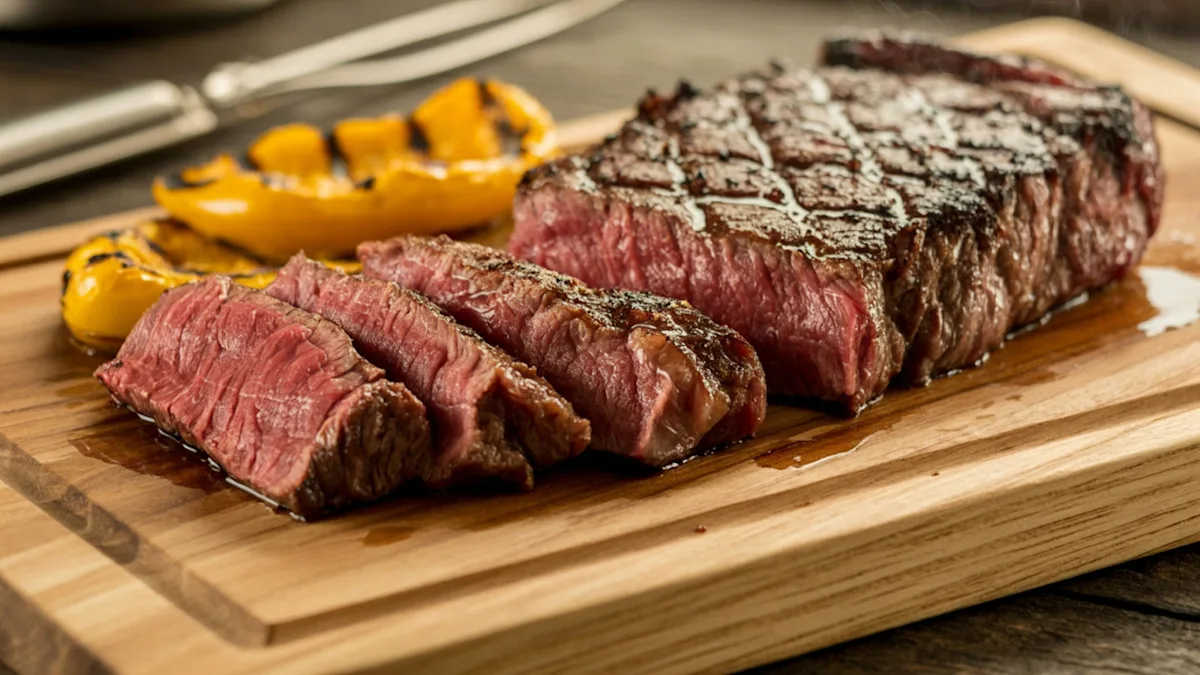
Few culinary experiences rival the satisfaction of cutting into a perfectly cooked medium rare steak. The warm red center, the flavorful crust, and the tender, juicy bite make it the preferred doneness level for steak lovers and professional chefs alike. From upscale steakhouses to backyard grills, medium rare has become the gold standard for achieving the ideal balance between flavor, texture, and juiciness.
But cooking the perfect steak isn’t just about placing meat on a hot pan or grill. Achieving a medium rare steak requires understanding temperature, timing, meat quality, cooking techniques, and resting time. When done correctly, the result is a steak with a beautifully seared exterior and a juicy interior that showcases the meat’s natural flavor.
Medium rare steak—from ideal temperatures and cooking techniques to expert tips, safety guidelines, and common mistakes to avoid. Whether you’re a beginner cook or a seasoned steak enthusiast, this guide will help you master the art of cooking steak to medium rare perfection.
What Is a Medium Rare Steak?
A medium rare steak refers to a specific level of doneness in beef where the interior remains warm and red while the outside develops a flavorful seared crust.
Key Characteristics of Medium Rare Steak
- Internal temperature: 130–135°F (54–57°C)
- Color: Warm red center
- Texture: Tender and juicy
- Moisture level: High
This doneness level preserves the steak’s natural juices and keeps the meat tender without becoming tough or dry. Because of this, most chefs recommend cooking premium cuts such as ribeye or filet mignon to medium rare.
Why Medium Rare Is So Popular
There are several reasons steak enthusiasts prefer this doneness level:
- Maximizes flavor and tenderness
- Retains natural juices
- Preserves fat marbling
- Creates a perfect balance between seared exterior and juicy interior
Cooking steak beyond medium rare often leads to moisture loss and a firmer texture.
Medium Rare Steak Temperature Guide
Understanding temperature is the most important factor when cooking steak correctly.
Ideal Internal Temperature
The perfect medium rare steak temperature is:
130–135°F (54–57°C)
However, you should remove the steak from heat when it reaches about 125–130°F because the temperature will continue rising during the resting phase. This is known as carryover cooking.
Steak Doneness Temperature Chart
| Doneness | Temperature | Appearance |
|---|---|---|
| Rare | 120–125°F | Cool red center |
| Medium Rare | 130–135°F | Warm red center |
| Medium | 140–145°F | Pink center |
| Medium Well | 150–155°F | Slight pink |
| Well Done | 160°F+ | Brown throughout |
Using a digital meat thermometer is the most reliable way to achieve the perfect doneness.
Best Cuts of Steak for Medium Rare
Not every cut of beef performs equally well at medium rare. Certain steaks shine at this doneness level due to their marbling and tenderness.
Ribeye Steak
Ribeye is one of the best cuts for cooking medium rare because of its rich fat marbling.
Why it works well:
- High fat content
- Extremely flavorful
- Tender texture
Filet Mignon
Filet mignon is prized for its tenderness. Cooking it medium rare ensures it stays juicy.
Benefits:
- Lean but tender
- Soft buttery texture
- Elegant presentation
New York Strip
A New York strip offers a perfect balance between tenderness and beefy flavor.
Key qualities:
- Firm texture
- Bold flavor
- Ideal for grilling
T-Bone and Porterhouse
These steaks contain both strip and tenderloin sections, making medium rare the ideal compromise.
How to Cook the Perfect Medium Rare Steak
Cooking steak properly requires preparation, technique, and timing.
Step 1: Choose High-Quality Beef
Look for steaks with:
- Good marbling
- Bright red color
- USDA Choice or Prime grade
Higher-quality meat naturally produces better flavor and tenderness.
Step 2: Bring the Steak to Room Temperature
Remove the steak from the refrigerator 30–45 minutes before cooking.
Benefits include:
- Even cooking
- Better searing
- More consistent internal temperature
Step 3: Season Generously
A simple seasoning works best.
Basic steak seasoning:
- Kosher salt
- Freshly cracked black pepper
- Optional garlic powder
Salt enhances flavor and helps create a crispy crust.
Step 4: Use High Heat
To achieve a restaurant-style crust, use high heat.
Best cooking surfaces:
- Cast iron skillet
- Grill
- Heavy stainless steel pan
High heat triggers the Maillard reaction, creating the rich browned crust that gives steak its deep flavor.
Step 5: Sear Both Sides
Typical cooking times depend on thickness.
For a 1-inch steak:
- Sear first side: 3–4 minutes
- Flip and cook: 3–4 minutes
For thicker steaks, finish in the oven.
Step 6: Check Temperature
Insert a meat thermometer into the thickest part.
Remove steak at:
125–130°F
Step 7: Rest the Steak
Allow the steak to rest for 5–10 minutes.
This step:
- Redistributes juices
- Prevents dryness
- Finishes cooking through carryover heat
Cooking Methods for Medium Rare Steak
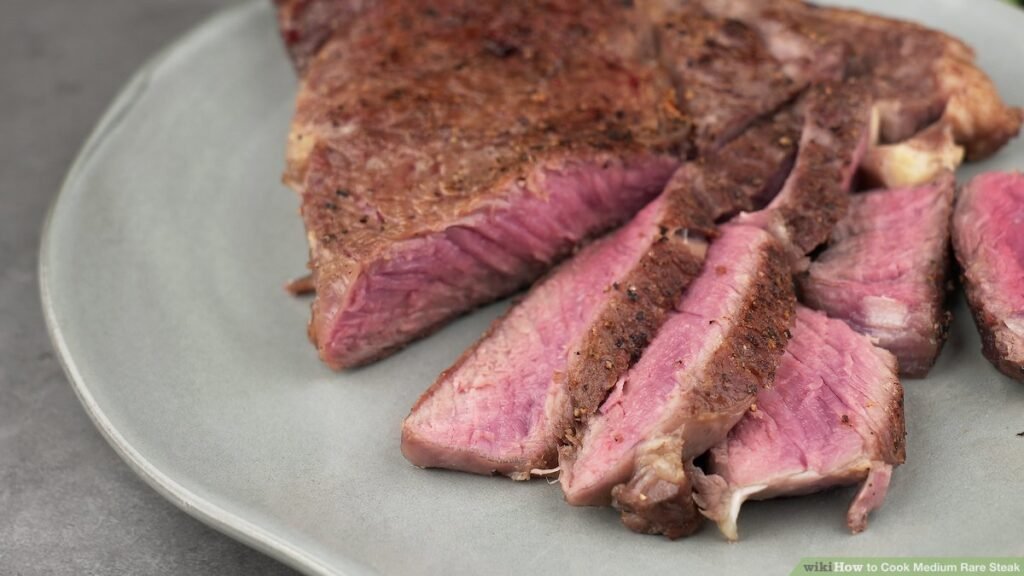
Different cooking methods can produce excellent results.
Pan-Seared Steak
Pan-searing is one of the best methods for achieving a flavorful crust.
Steps:
- Preheat cast iron skillet
- Add high-smoke-point oil
- Sear steak
- Add butter, garlic, and herbs
- Baste the steak
This technique produces steakhouse-quality results.
Grilled Medium Rare Steak
Grilling adds smoky flavor.
Tips:
- Preheat grill to high heat
- Oil the grates
- Use direct heat for searing
- Move steak to indirect heat if needed
Grilling works particularly well for ribeye and strip steaks.
Reverse Sear Method
The reverse sear technique has become extremely popular among chefs.
Steps:
- Cook steak in oven at 250°F
- Bring internal temperature to about 120°F
- Finish with high-heat sear
Advantages include:
- Even cooking
- Better control
- Perfect medium rare center
Why Chefs Recommend Medium Rare Steak
Professional chefs often recommend medium rare because it highlights the Medium Rare Steak natural characteristics.
Better Flavor
Fat begins to melt at medium rare temperatures, enhancing the steak’s taste.
Improved Tenderness
Overcooking tightens muscle fibers, making meat tougher.
Medium rare keeps the steak soft and juicy.
Balanced Texture
Medium rare provides a contrast between:
- Crispy crust
- Tender interior
This balance creates a superior eating experience.
Common Mistakes When Cooking Medium Rare Steak
Even experienced cooks sometimes make errors.
Overcooking the Steak
The most common mistake is leaving the steak on heat too long.
Use a thermometer instead of guessing.
Cooking Cold Steak
Cooking steak straight from the fridge leads to uneven cooking.
Always let it rest at room temperature first.
Skipping the Resting Period
Cutting steak immediately causes juices to run out.
Resting keeps the steak juicy.
Using Low Heat
Low heat prevents proper crust formation.
Always start with high heat.
Medium Rare Steak and Food Safety
Some people worry about eating steak that appears red inside.
However, medium rare steak is generally safe when prepared correctly.
Why Steak Is Safer Than Ground Beef
Bacteria typically exist on the surface of steak rather than inside the meat. When seared at high heat, these bacteria are destroyed.
Ground beef, however, mixes bacteria throughout the meat, requiring higher cooking temperatures.
Safety Tips
- Buy high-quality meat
- Store properly
- Avoid cross-contamination
- Cook surfaces thoroughly
Best Side Dishes for Medium Rare Steak
A great steak deserves equally delicious sides.
Classic Steakhouse Sides
Popular choices include:
- Garlic mashed potatoes
- Creamed spinach
- Grilled asparagus
- Roasted mushrooms
- Baked potatoes
These sides complement the richness of steak without overpowering it.
Fresh Salads
A light salad balances the richness of beef.
Examples:
- Caesar salad
- Arugula salad
- Tomato and mozzarella salad
Steak Sauces That Pair Perfectly
Although many steak lovers prefer steak without sauce, some classic sauces elevate the experience.
Chimichurri
A bright herb sauce from Argentina made with:
- Parsley
- Garlic
- Olive oil
- Vinegar
Peppercorn Sauce
A creamy sauce with cracked peppercorns that enhances beef flavor.
Garlic Butter
Simple yet luxurious, garlic butter melts over hot steak and adds richness.
Nutritional Value of Medium Rare Steak
Steak offers several important nutrients.
Nutritional Highlights
Beef contains:
- High-quality protein
- Iron
- Zinc
- Vitamin B12
- Creatine
A typical 6-ounce steak provides approximately:
- Protein: 40–45g
- Calories: 350–450
- Iron: 15–20% daily value
Moderation and balance are key for a healthy diet.
Internal Linking Suggestions
If publishing on a food or cooking blog, link to related articles such as:
- “Best Steak Seasoning Recipes”
- “How to Grill Steak Like a Professional”
- “Reverse Sear Steak Guide”
- “Best Cuts of Beef Explained”
Internal links help improve SEO structure and user engagement.
External Authoritative References
Consider linking to trusted sources for additional credibility:
- USDA beef cooking guidelines
- Food safety recommendations from government health agencies
- Culinary schools or professional chef resources
These references strengthen the article’s E-E-A-T signals.
Conclusion
Cooking the perfect medium rare steak is both an art and a science. By understanding ideal temperatures, choosing the right cut of meat, and using proper cooking techniques, anyone can create steakhouse-quality results at home.
The key principles are simple:
- Use high-quality beef
- Cook with high heat
- Monitor internal temperature
- Allow proper resting time
When done correctly, a medium rare steak delivers unbeatable flavor, tenderness, and juiciness. Whether cooked in a cast iron skillet, grilled outdoors, or prepared with the reverse sear method, mastering medium rare steak will elevate your cooking skills and impress anyone at the dinner table.
Frequently Asked Questions (FAQs)
Is medium rare steak safe to eat?
Yes, medium rare steak is generally safe when cooked properly because bacteria are usually found on the surface and are killed during searing.
What temperature is medium rare steak?
Medium rare steak has an internal temperature of 130–135°F (54–57°C).
How long should a steak rest after cooking?
Let the steak rest for 5–10 minutes to allow juices to redistribute.
Can you cook medium rare steak on a grill?
Yes. Grilling is one of the best methods for cooking medium rare steak because it creates a flavorful crust and smoky aroma.
Why do chefs prefer medium rare steak?
Medium rare preserves the steak’s natural juices, tenderness, and flavor better than higher doneness levels.
You May Also Read: Unblocked Games WTF